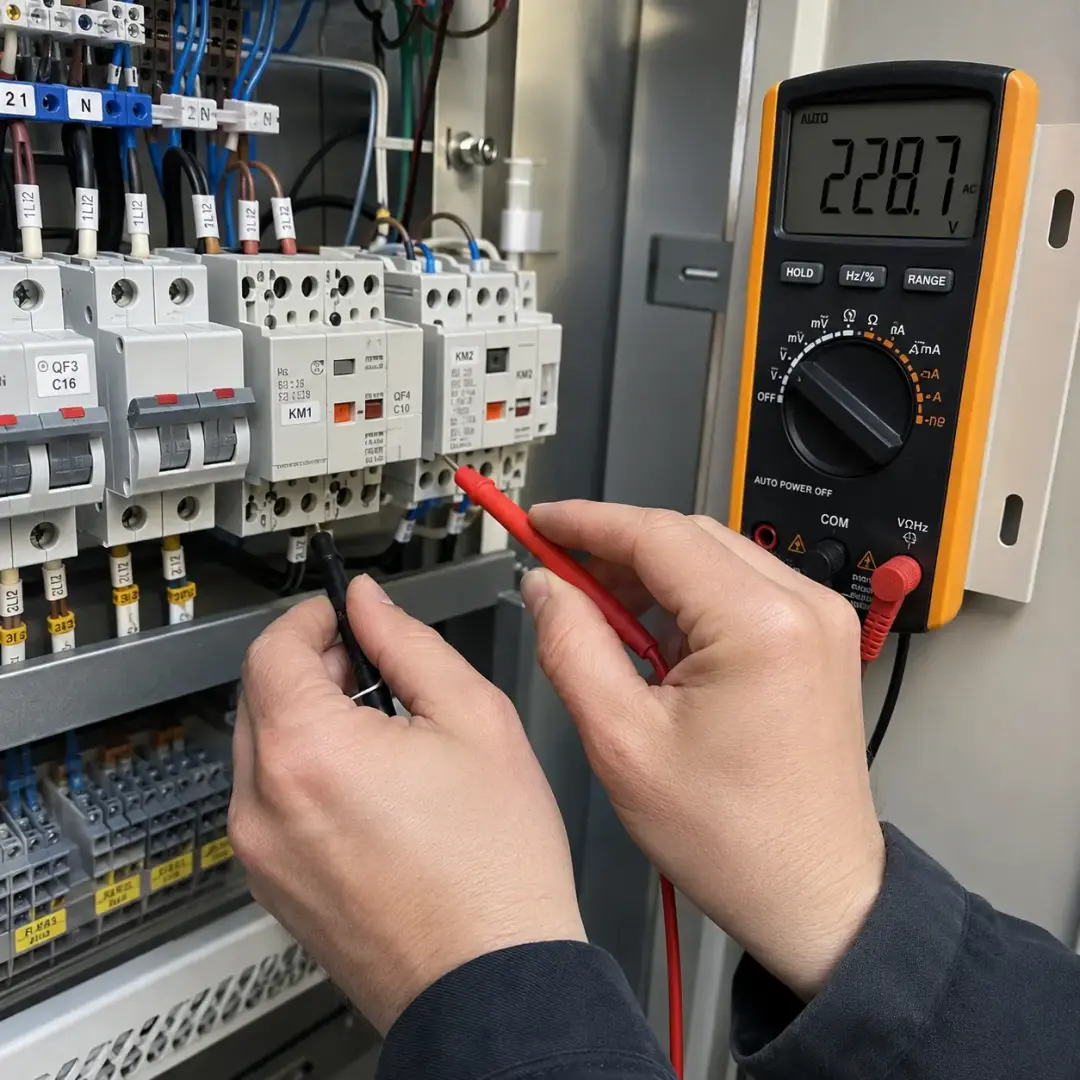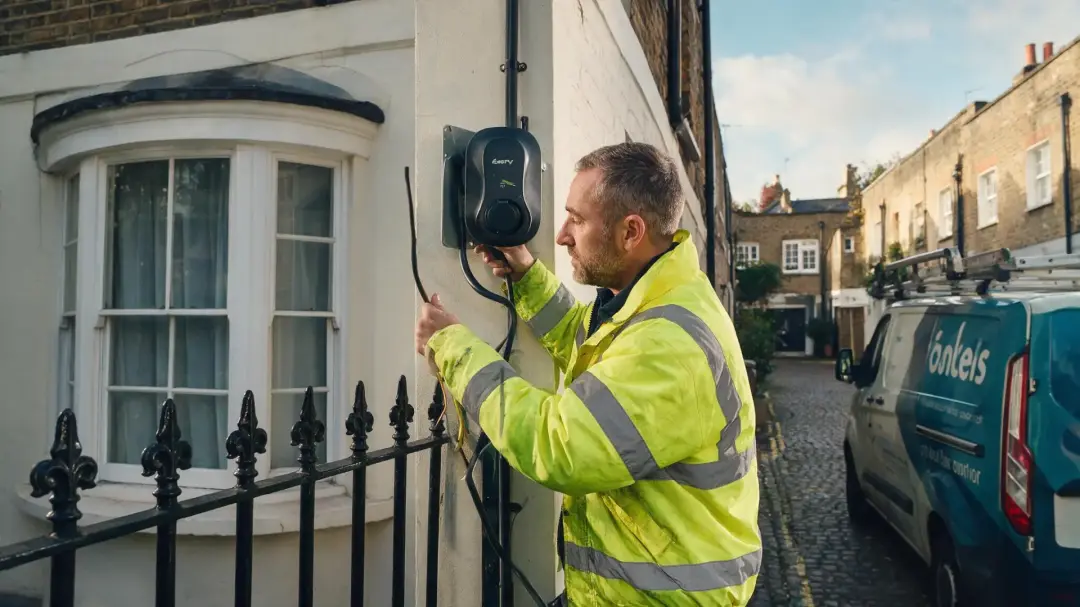
Learn why electrical safety certificates are important. Find out what an EICR checks, why it matters for safety, and what it means for homeowners and landlords.
Why Electrical Safety Certificates Are Important
An electrical safety certificate is often the everyday name for an Electrical Installation Condition Report, or EICR. It records what a qualified person found when inspecting and testing a property's fixed electrical installation. For a homeowner it gives a clear account of the wiring's condition. For a landlord it is also part of meeting legal duties in England.
A report can reveal deterioration, unsuitable protective devices and defects that are not obvious from a working light or socket. It explains what needs attention and when another inspection is due. That makes it useful when planning repairs, letting a home or deciding whether older wiring is fit for continued use.
What Does an EICR Check?
An EICR concerns the fixed installation: wiring, circuits, socket outlets, light fittings, switches and the consumer unit. The inspector assesses the installation against the current safety standard, BS 7671, and carries out appropriate tests. The report describes the condition found on the day, any limitations on the inspection and the date recommended for the next check.
This is different from testing a portable appliance. A kettle or laptop charger is not made safe merely because the property's fixed wiring has been inspected. Landlords should keep the installation report separate from any records for appliances they provide. The distinction helps owners act on the right findings without assuming one check covers every electrical item.
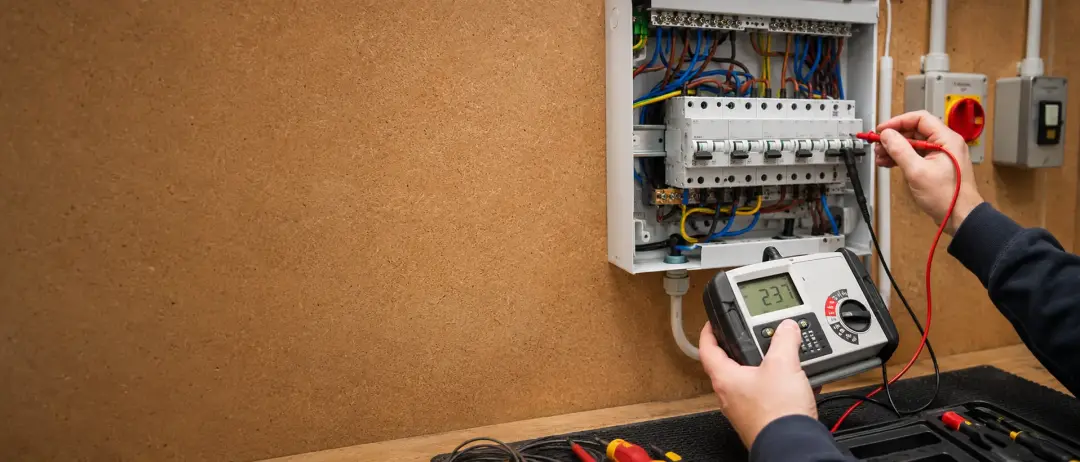
A qualified inspector looks for signs of damage, wear and unsafe alterations. Examples include poor earthing, overloaded circuits, damaged accessories and protection that may not operate as intended. Some issues are visible; others require testing to detect.
Read the entire report. Its overall conclusion matters, but so do the observations, inspection limitations and recommended next date. If access to part of an installation was restricted, the report cannot establish the condition of that unseen part.
Why Is a Certificate Important for Safety?
Fixed wiring can deteriorate while everyday electrical items still appear to work. Loose connections, damaged insulation and unsuitable protection may create risks of electric shock or fire. An inspection provides a structured way to identify those problems before they are ignored for another year. It does not promise that no fault can arise later, but it gives owners a sound basis for deciding what to repair now.
The latest detailed government fire release recorded 23,795 accidental dwelling fires in England in the year ending March 2026. That is an all-cause figure, not a count of fires an EICR could have prevented. It underlines why household fire safety deserves regular attention alongside alarms, sensible appliance use and the condition of the fixed installation.
How Do EICR Codes Guide the Next Step?
Inspectors use observation codes to distinguish levels of concern. C1 means danger is present and action is urgent. C2 means a potentially dangerous condition. FI means further investigation is needed without delay. A report with any of those findings is unsatisfactory for continued use until the issue is addressed. C3 is an improvement recommendation; by itself it does not make the report unsatisfactory.
The codes are not a substitute for the inspector's explanation. Ask what was found, where it is and what work will make the installation safe. A satisfactory result is helpful evidence, but it does not mean the owner can ignore new damage, a recurring trip or other warning signs before the next scheduled inspection.
What Are the Rules for Rental Homes in England?
Under current government guidance for private and social rented homes in England, landlords must have electrical installations inspected and tested by a qualified person at least every 5 years, or sooner when the report requires it. They must obtain the report, give an existing tenant a copy within 28 days of the inspection and give a new tenant a copy before occupation.
If the report calls for remedial work or further investigation, the landlord must normally have it completed within 28 days, or sooner if the report specifies a shorter period. The 2025 changes extended installation-check duties to the social rented sector, with transitional dates for older social tenancies. The regulations have exemptions, so owners of unusual accommodation should check the official guidance before assuming a standard tenancy rule applies.
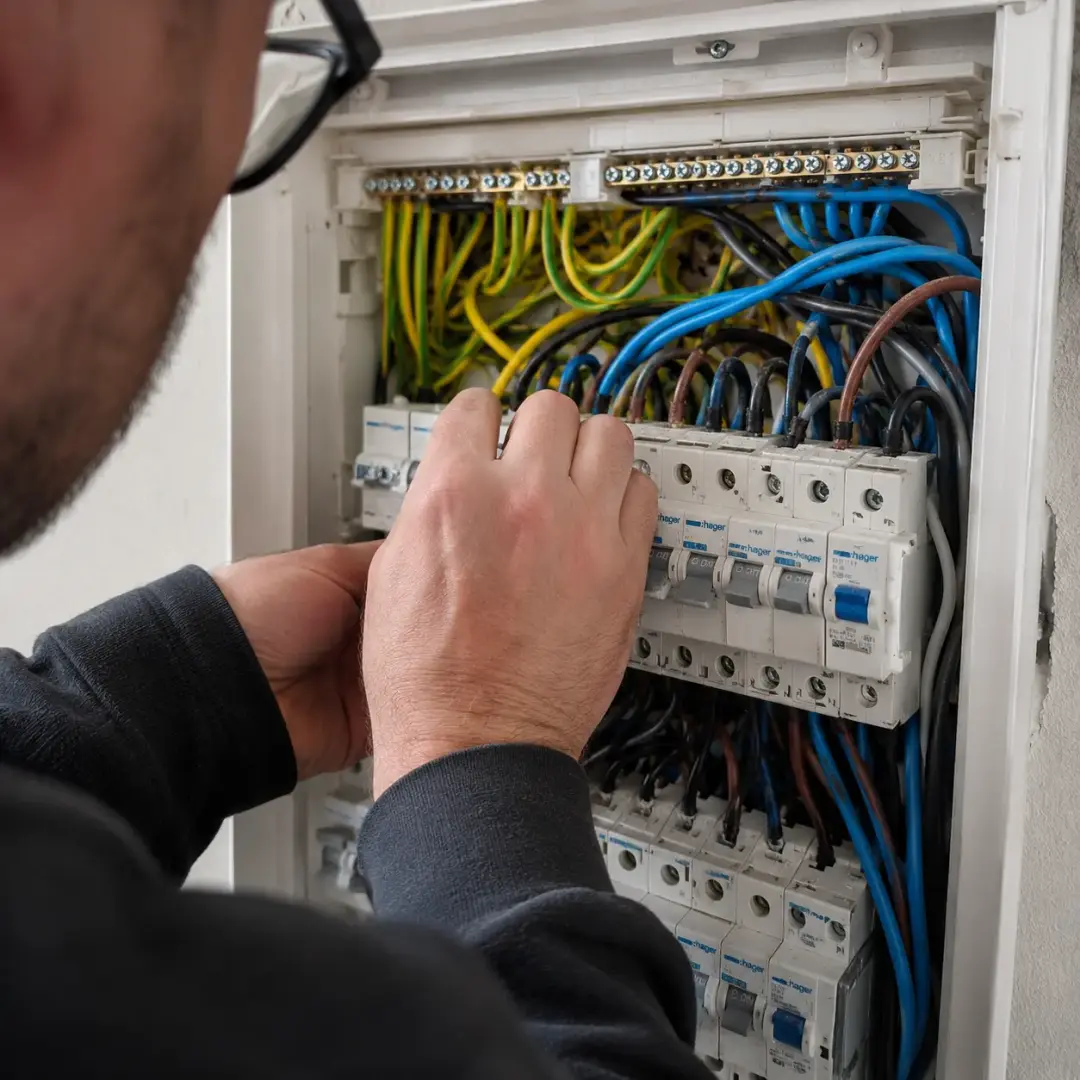
For landlords, the report identifies remedial work and creates a dated record for tenants and the local council. Keeping it with evidence of completed work makes it easier to show what happened after inspection.
For homeowners, an EICR can help prioritise maintenance before a renovation or major electrical upgrade. It gives an electrician a starting point, although new work may require its own installation certificate.
Do Homeowners Need an Electrical Safety Certificate?
An owner-occupier does not have the same five-year rental inspection duty merely by living in their own home. However, the Institution of Engineering and Technology advises inspection and testing of a privately owned domestic installation at a maximum interval of 10 years. A qualified electrician may recommend a shorter interval based on the installation's condition and use.
Do not wait for a date in an old report if there are warning signs now. Repeatedly tripping circuits, hot or discoloured sockets, damaged fittings and work of uncertain quality justify arranging professional advice sooner. The same applies after significant damage or changes to the installation. A timely check can establish what needs repair, rather than leaving the owner to guess from symptoms.
How Should You Use the Report?
Keep the whole report, including its schedule of observations and any limitations. Note the next inspection date and arrange any urgent work promptly. After repairs, retain the electrician's written confirmation with the original report so there is a clear record of what was found and what was corrected. Landlords should also record when copies were supplied to tenants.
For properties in Nottingham and the surrounding service areas, Eco Energy Solutions Ltd offers inspection, testing and advice on remedial electrical work. If you need to understand the condition of a home or rental installation, ask for an inspection that explains the findings in plain language and gives you a practical next step.
Need a clear account of your property's fixed wiring? Explore our electrical inspection service and the reports available for homes and rental properties around Nottingham.