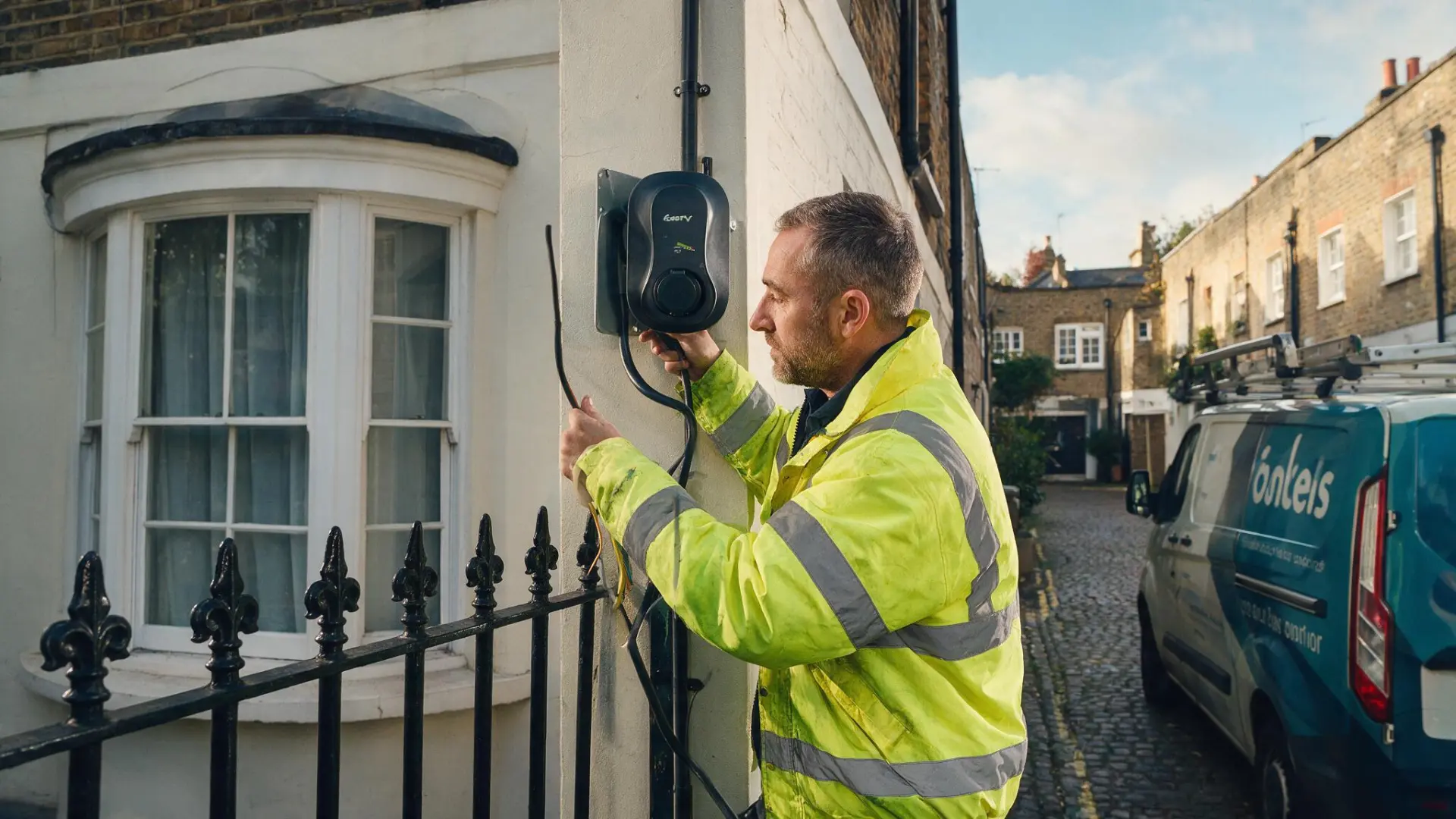
EV charger installation for landlords can make a rental property more useful to tenants who drive electric vehicles, while creating an opportunity to plan parking and electrical capacity properly. The benefit depends on demand, ownership arrangements and ongoing management. For landlords in Nottingham, a considered specification is more valuable than installing equipment and assuming it will automatically increase rent.
Information checked: 20 October 2026.
Landlord EV Charging in Nottingham
A tenant with an electric car may value being able to charge in their allocated space instead of planning separate charging trips. For a landlord, that is a practical amenity to discuss during viewings or renewals. Describe the facility accurately: say whether there is a working charger, a shared arrangement or merely provision for a future installation.
There is no universal rent increase or property-value uplift that can responsibly be promised from a charger alone. Local demand, the parking arrangement and the wider property all matter. Ask current tenants about likely use, and review enquiry feedback from your letting agent before deciding on the scale. One well-managed unit can be more useful than several installations without an agreed system for access and payment.
Use Current Grant Support Where Eligible
As checked on 20 October 2026, the residential landlord chargepoint grant offers 75% of eligible purchase and installation costs, capped at £500 per socket. Eligible applicants can receive support for up to 200 sockets per year, subject to the scheme’s rules. Treat that as potential assistance with a project, not a reason to install more equipment than tenants need.
The eligibility guidance covers existing residential property and suitable private off-street parking accessible to tenants. It also sets applicant registration requirements and exclusions, including already-installed chargepoints and installations required by another obligation. Confirm eligibility and obtain the required approval before work starts. The separate residential landlord infrastructure grant closed to new customer applications on 31 March 2026, according to DfT’s current grant-scheme statistics; do not budget using an older description of that scheme.
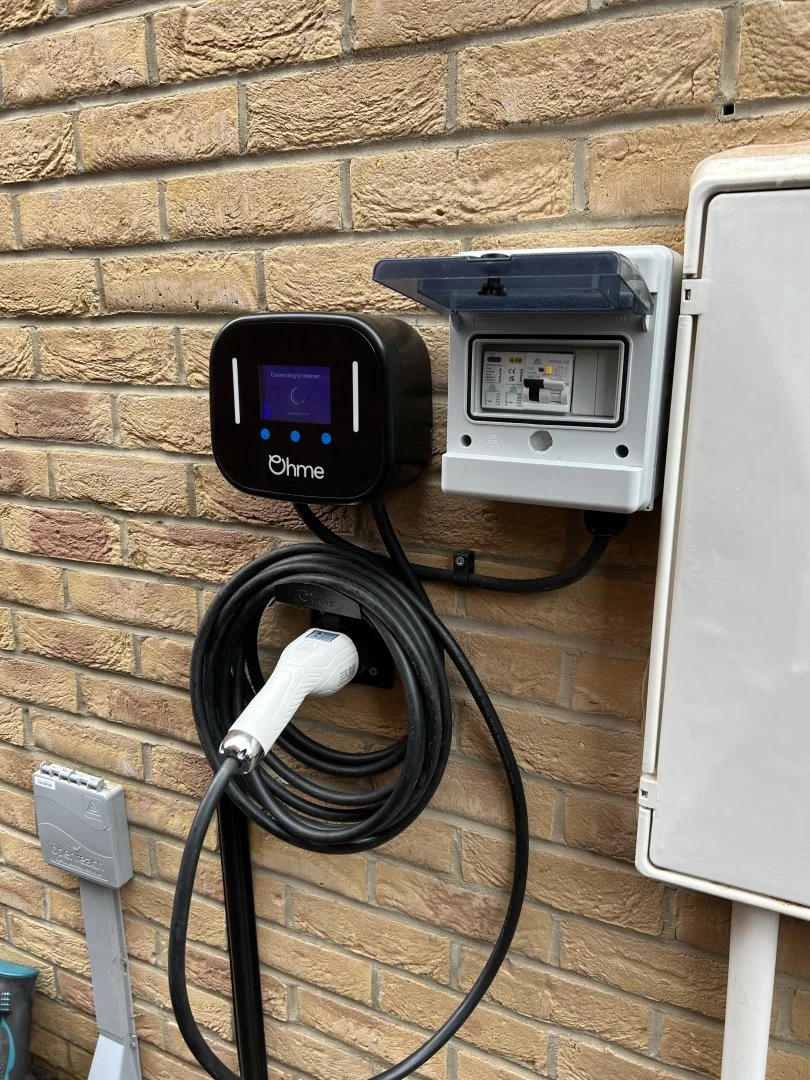
Supply arrangements should be agreed before choosing how tenants will pay for charging.
Plan Parking Fairly for Present and Future Tenants
At a single let with its own drive, the arrangement may be relatively straightforward. In a block of flats, an allocated bay, shared visitor space and communal supply create different decisions. Identify who owns the spaces and cable routes, who can authorise work and whether users need permission from a freeholder or management company.
For shared installations, write down how bays are assigned and what happens when a vehicle finishes charging. Consider access for visitors and residents who do not use an EV. Avoid relying on an informal understanding that can disappear when a tenant moves out. A clearly described charging arrangement helps prevent disputes about reserved spaces, trailing cables and who may use equipment attached to another resident’s allocated bay.
Decide How Electricity and Access Will Be Managed
A charger supplied through the tenant’s own electricity account is different from one connected to a communal landlord supply. Decide which arrangement is suitable before ordering equipment. Ask how consumption will be measured, whether access can be restricted and what information the owner or managing agent can see.
Where costs are recovered from users, obtain appropriate advice on the billing arrangement and explain charges transparently. Include any software, connectivity or maintenance fees when comparing management options. Do not assume an app automatically provides compliant billing or that a domestic tariff suits a communal service. Our electrical services can support the technical discussion, while ownership, lease and charging terms should be settled with the people responsible for the property.
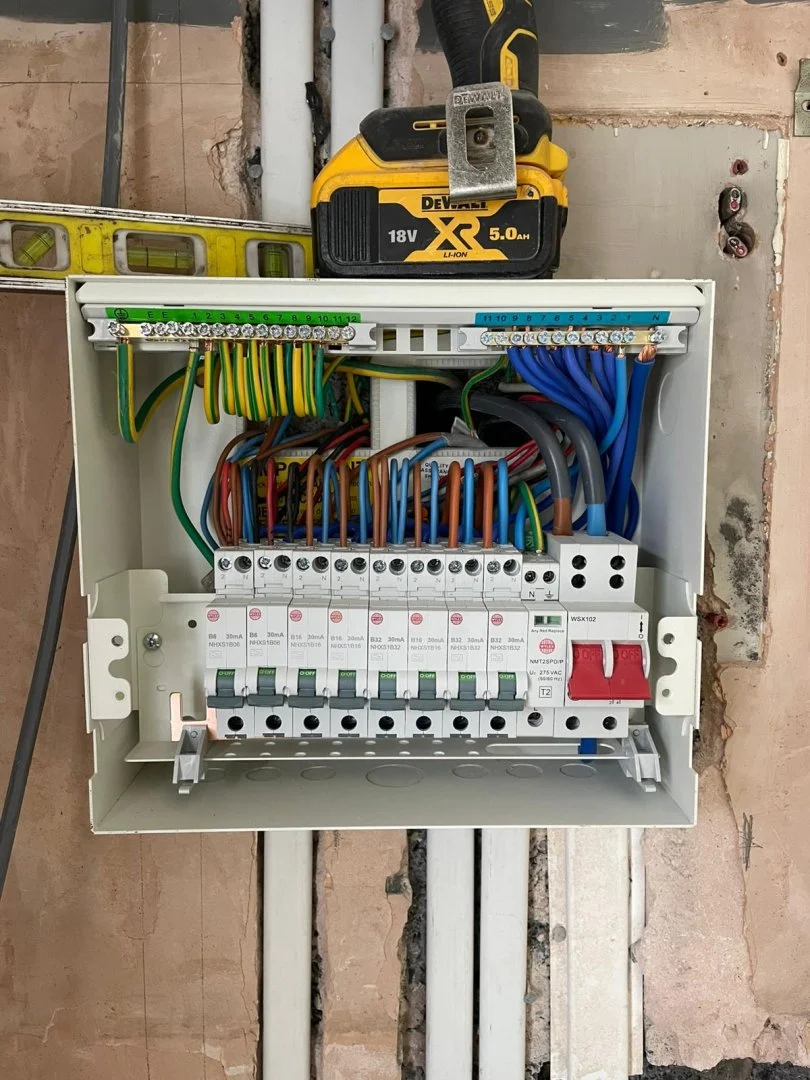
Keep the electrical design and maintenance records with the property documentation.
Build a Manageable Maintenance Arrangement
Agree who reports faults, who arranges inspection and who can take equipment out of use when damage is suspected. Retain installation certificates, product details and warranty information in the property records. Give tenants clear instructions for normal operation and a contact route for problems, rather than expecting them to identify the fault themselves.
Plan account transfers when a tenancy changes. Remove the departing user’s access where necessary and make sure the next resident receives current instructions. Ask what happens if the chosen manufacturer or software service changes its offering. Eco Energy Solutions Ltd can discuss charger installation and the associated electrical testing and inspection for properties in Nottingham, but the ongoing management arrangement must also remain clear to tenants and agents.
Assess the Investment With Realistic Assumptions
The latest published DfT figures for the residential landlord chargepoint grant record 1,912 funded socket installations by 1 July 2026, including 410 in the preceding twelve months. These are grant-funded sockets under that scheme, not a count of all rental-property chargers or evidence of a financial return. Use the figures as context for an established funding route.
For your own decision, compare the net capital cost with expected use, ongoing support and any work already planned at the property. Installing suitable cable routes during other agreed works may be worth discussing, but avoid assuming every future tenant will need a charger. Start with confirmed demand and a design that can be managed. The most useful benefit is a service tenants can actually access, understand and rely on over the life of the tenancy.
Summary
A landlord charger can add a useful tenant amenity when parking rights, electricity costs and maintenance are planned together. Check current grant eligibility before commissioning work, and judge the investment against real demand. Review our Nottingham installation service to discuss a practical specification for your rental property.