How Long Does It Take to Charge an EV?
Charging an EV can take anywhere from a few minutes to more than 12 hours. The exact time depends on the size of the vehicle's battery, how much charge is already in it, how quickly the vehicle can accept power and the type of charger being used.
For most drivers, charging does not mean waiting for an empty battery to reach 100%. Many people charge their vehicle overnight at home or add enough power during a journey to reach their next stop. A standard home charger will usually need several hours, while a rapid public charger can add a large amount of charge in less than an hour.
How Long Does It Take to Charge an EV at Home?
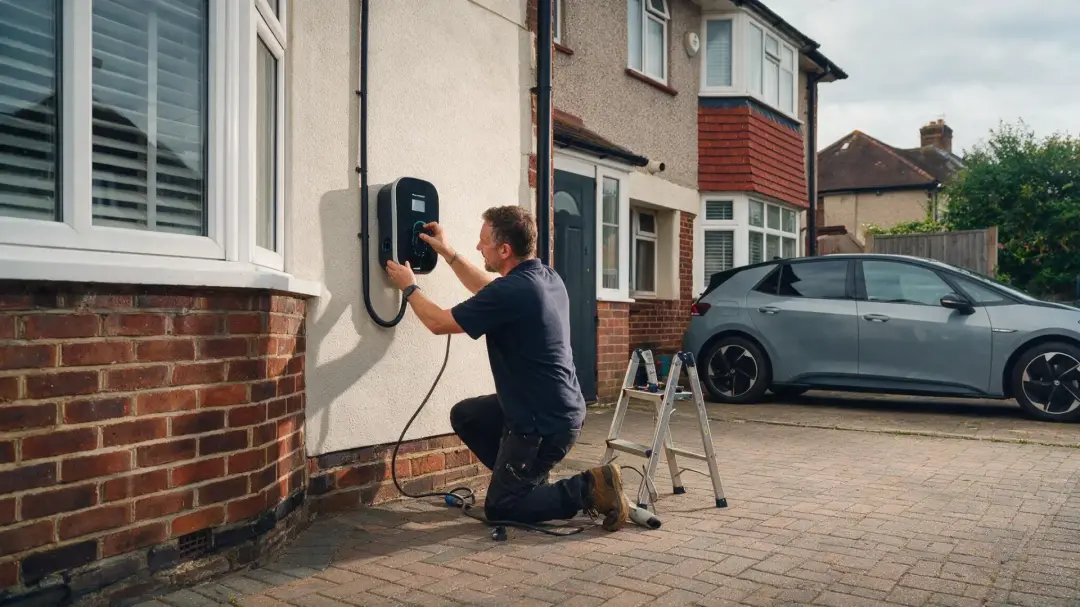
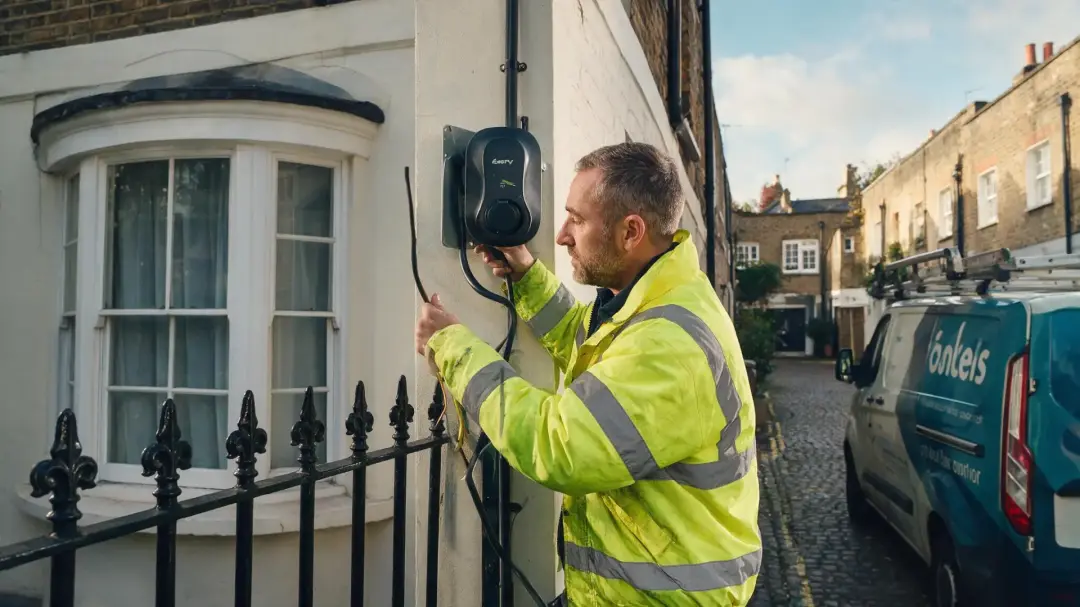
Home charging is usually slower than rapid public charging, but it is convenient because the vehicle can charge while it is parked. According to the Energy Saving Trust, a 7.4 kilowatt charger can take around 7 hours and 45 minutes to charge a 50 kilowatt-hour battery from 20%. A 75 kilowatt-hour battery may take about 10 hours, while a 100 kilowatt-hour battery may take around 13 hours and 30 minutes. This makes overnight charging a practical choice for many EV owners.
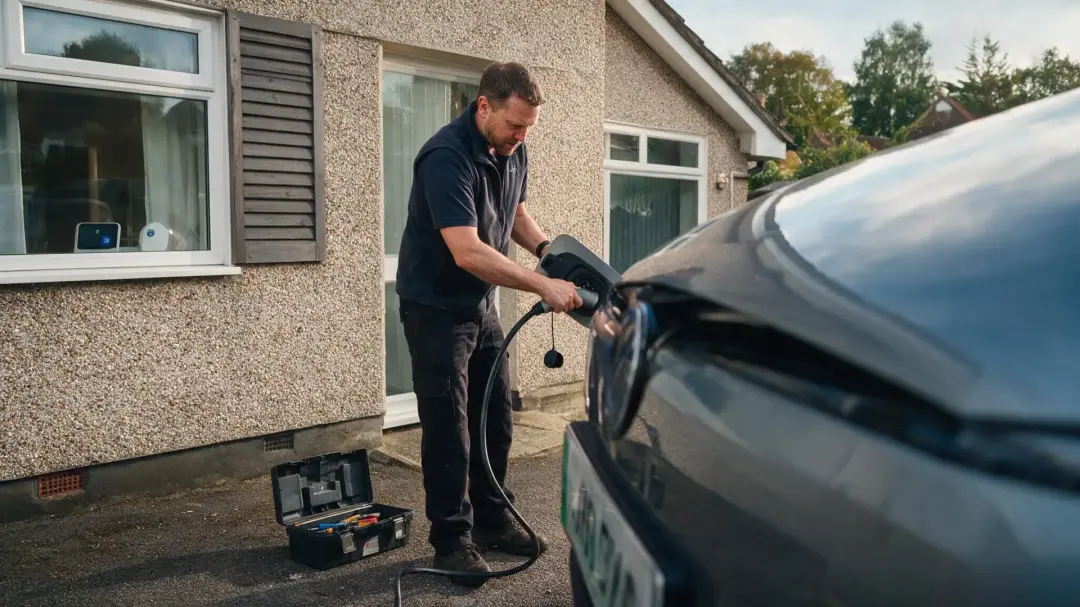
The power of your home charger makes a clear difference. A charger providing around 7 kilowatts is common for home use, while some properties and vehicles may support faster charging.
Battery size matters too. A smaller battery needs less energy to fill, so it will normally charge faster than a larger battery when both vehicles use chargers with the same power.
You may not need a complete charge every night. If you have only used part of the battery during the day, replacing that energy could take much less time than charging from a low battery level.
How Long Does Public EV Charging Take?
Public charging times vary greatly because chargers offer different levels of power. The Energy Saving Trust says chargers below 3.7 kilowatts can take around 12 to 15 hours for a full charge. Chargers between 3.7 and 8 kilowatts can take around five and a half to 11 hours, while chargers between 8 and 49 kilowatts can often provide a full charge in around one to five hours.
Rapid chargers are designed for shorter stops. Chargers providing between 50 and 149 kilowatts can often charge a suitable EV to around 80% in 15 minutes to one hour. Chargers providing 150 kilowatts or more can sometimes reach 80% in as little as 10 minutes, although the actual time depends on the vehicle and battery.
Why Does EV Charging Speed Change?
A charger's advertised power does not mean your vehicle will receive that amount of power throughout the whole charging session. Every EV has a limit on how quickly it can accept energy. If a charger can provide more power than the vehicle can use, the vehicle's limit will control the charging speed. Charging can also slow as the battery becomes fuller, particularly after it reaches around 80%.
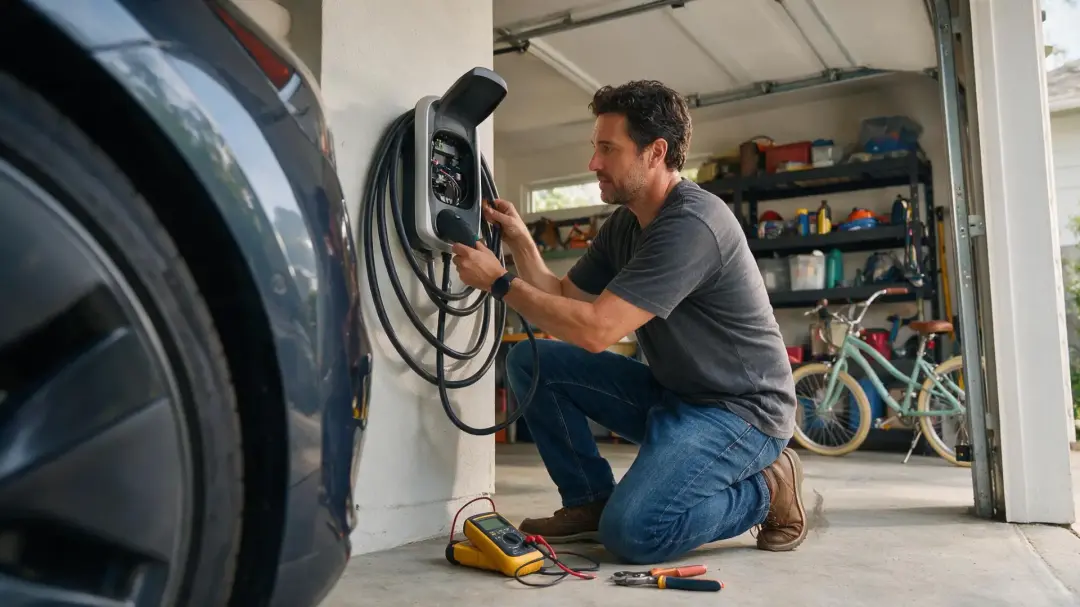
Battery temperature can affect charging time. Very cold or very hot conditions may cause the vehicle to reduce the charging speed to help protect the battery.
The amount of charge already in the battery is also important. Charging from 40% to 80% will usually be much quicker than charging from 10% to 100%. This is why drivers on long journeys often make shorter charging stops rather than waiting for a completely full battery.
Some vehicles can prepare the battery before arriving at a rapid charger. Bringing the battery closer to its preferred charging temperature can help it accept power more quickly when charging begins.
How Many Public EV Chargers Are Available?
Public charging continues to grow across the United Kingdom. Department for Transport figures show that there were 121,171 public EV chargers available on 1 July 2026. Of these, 28,887 provided 50 kilowatts or more. During the first half of 2026, 5,119 public chargers were added to the network.
The same figures show that 49% of public chargers provided between 3 and 8 kilowatts, while 27% provided between 8 and 50 kilowatts. Rapid chargers between 50 and 150 kilowatts accounted for 12%, and a further 12% provided 150 kilowatts or more. This gives drivers a growing mix of slower chargers for longer stays and faster chargers for journeys where time matters.
How Can You Reduce EV Charging Time?
Choose a charger that matches the charging speed supported by your vehicle. On longer journeys, consider charging to around 80% before continuing rather than waiting for 100%, as charging often becomes slower when the battery is nearly full. Keeping some charge in the battery and charging regularly can also make individual charging sessions shorter.
How Long Should You Allow for EV Charging?
For everyday driving, a home charger can usually refill the energy used during the day while the vehicle is parked overnight. Drivers travelling longer distances can use rapid public chargers to add useful range during a short break.
There is no single charging time that applies to every EV. Battery size, charger power, battery temperature and the vehicle's charging limit all play a part. Understanding these factors makes it easier to plan charging around your normal routine and longer journeys.
Whether you are considering your first EV or looking for a more convenient way to charge at home, the right charging setup can make everyday driving simpler. Explore our service to find out more about your EV charging options in Nottingham, Sheffield, Derby, and Nottinghamshire.