How Often Should You Charge an EV?
There is no fixed number of times that you should charge an EV each week. How often you need to plug in depends on how far you drive, the size of the battery, the efficiency of the vehicle and how much charge you prefer to keep available.
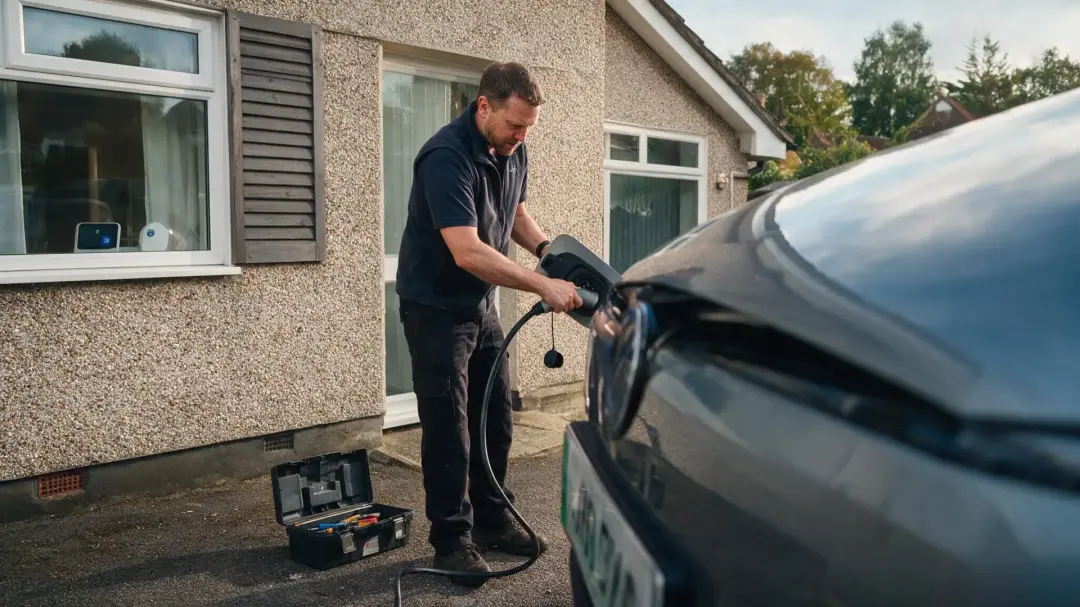
For many drivers, regular smaller charges are more practical than waiting until the battery is almost empty. If you have a home charger, you might plug in every night or every few days and allow the vehicle to add only the energy that has been used. Drivers covering fewer miles may need to charge much less often.
You also do not normally need to charge an EV to 100% every time. Many vehicle manufacturers recommend keeping the battery within a suitable middle range for everyday driving and saving a full charge for occasions when the extra range is useful.
Should You Charge an EV Every Day?
You can charge an EV every day if this suits your routine, but daily charging is not necessary for every driver. Someone who travels a long distance each day may need to recharge each evening, while a person making short local journeys might only need to charge once or twice a week. The important point is to keep enough charge available for your expected journeys rather than following a fixed charging schedule.
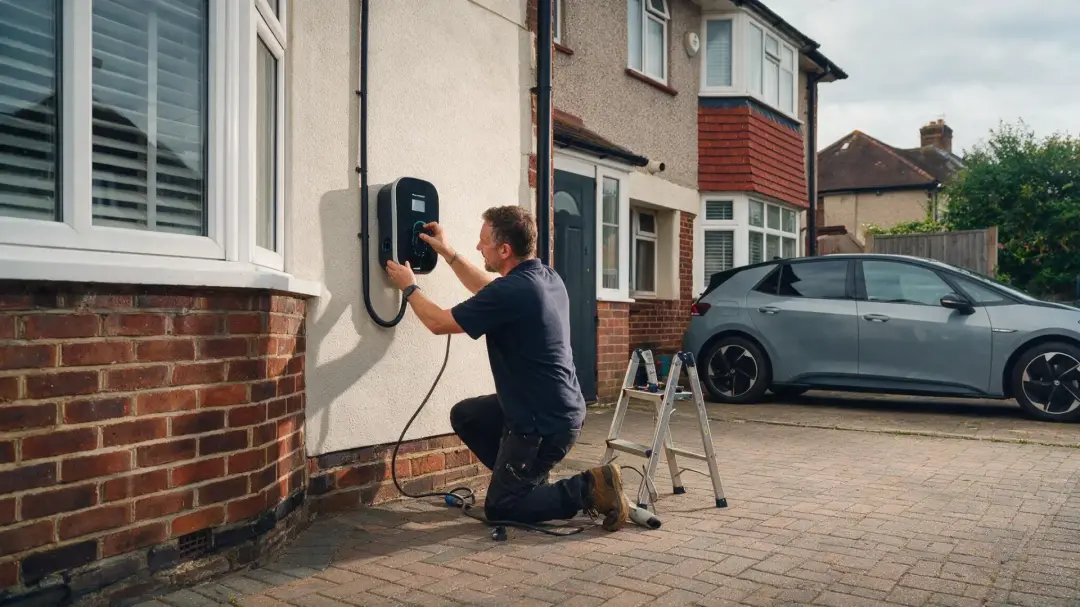
Charging little and often can be convenient when you have a home charger. You can plug the vehicle in when you arrive home and use its charging settings to stop at your chosen battery level.
There is usually no need to wait for the battery to become nearly empty. In fact, several vehicle manufacturers advise against regularly allowing the battery to fall to a very low level.
Your vehicle's handbook or charging settings should always be your main guide because battery types differ. Some vehicles may recommend a different charging routine from others.
What Battery Level Should You Keep an EV At?
A common approach is to keep the battery somewhere between about 20% and 80% or 90% during normal use. The exact recommendation depends on the vehicle. Some manufacturers recommend an everyday charging limit of 80%, while others recommend up to 90%.
For example, BMW recommends keeping the battery between 10% and 80% for everyday driving and setting a charging target of no more than 80%. Volvo recommends keeping many of its EV batteries above 20% and charging to around 90%, while noting that some battery types may have different requirements. Tesla also states that vehicles with a recommended daily limit of 80% should normally remain at that limit for everyday use.
These figures are useful examples rather than a rule for every EV. Check the recommendations supplied with your vehicle, as battery technology and charging controls vary between models.
Read related articles:
Should You Charge an EV to 100%?
Charging to 100% can be useful when you need as much driving range as possible, such as before a long journey. However, repeatedly charging some EV batteries to 100% and leaving them fully charged for long periods may not be recommended for everyday use. Many vehicles allow you to set a charging limit so that charging stops automatically at the level recommended by the manufacturer.
If you need a full battery for a longer trip, it can be better to schedule charging so that the vehicle reaches 100% shortly before you leave rather than remaining fully charged for a long period.
Some EV batteries are designed to be charged to 100% more regularly, so a lower charging limit is not suitable for every vehicle. Always follow the charging instructions provided by the vehicle manufacturer.
Charging may also become slower as the battery approaches full capacity. This means stopping before 100% can save time when using a rapid public charger during a journey.
How Low Should You Let an EV Battery Get?
It is generally sensible to avoid regularly running an EV battery completely empty. Leaving some charge available gives you more flexibility if your journey changes and can also follow the battery-care recommendations given by many manufacturers.
BMW, for example, recommends charging before the battery falls below 10% and keeping it between 10% and 80% where possible. Volvo recommends keeping many of its EV batteries above 20%. Tesla advises drivers to avoid leaving a vehicle close to 0% for days or weeks.
You do not need to worry if the battery occasionally falls below your normal charging level. The aim is simply to avoid making very low battery levels part of your regular routine when the manufacturer advises against it.
How Often Should You Charge an EV at Home?
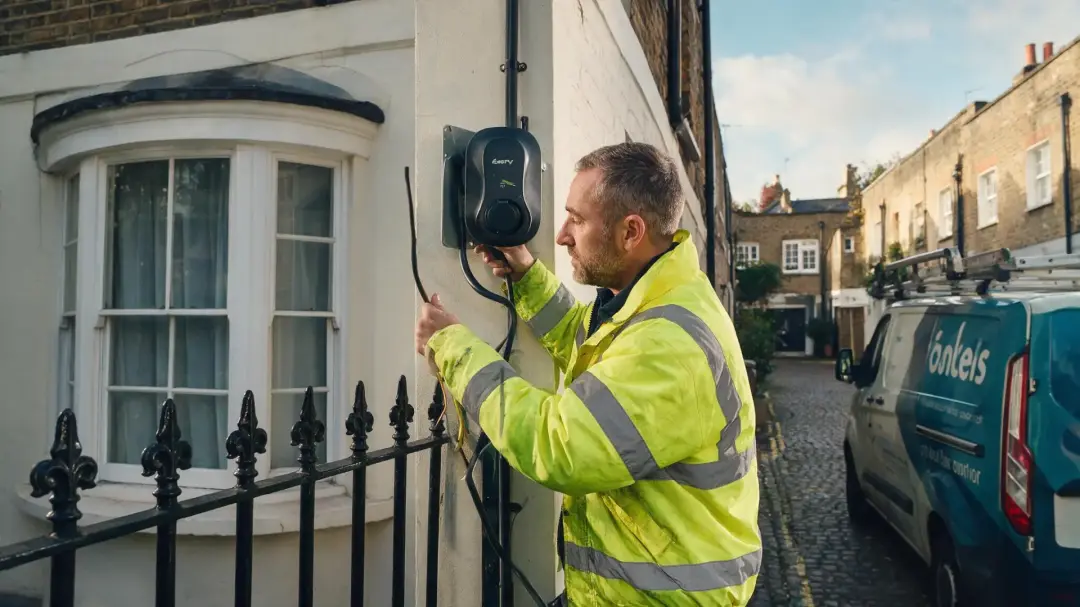
Home charging makes it easier to base charging around the amount you actually drive. If you use 20% of the battery during the day, for example, you can replace roughly that amount overnight rather than waiting until the battery is nearly empty.
The Energy Saving Trust describes home charging as a convenient option for EV drivers and also highlights overnight charging as a way to start a journey with plenty of available range. Depending on your mileage, this could mean plugging in every evening, every few days or only when your battery reaches your preferred lower level.
Many home chargers and EVs allow charging to be scheduled. This can help you choose when charging starts and stops, and may allow you to make use of cheaper electricity periods if your energy tariff offers them.
How Often Should You Use Rapid Public Charging?
Rapid public charging is particularly useful on longer journeys or when you need to add charge quickly. It does not normally need to replace home charging if you have access to a suitable home charger. Some manufacturers recommend using slower charging for normal day-to-day charging and keeping frequent rapid charging mainly for situations where the extra speed is useful.
The Energy Saving Trust says rapid chargers rated from 50 to less than 150 kilowatts can typically charge a suitable EV to around 80% in between 15 minutes and one hour. Chargers rated at 150 kilowatts or more may take between 10 minutes and one hour to reach around 80%.
Charging speed usually falls as a battery becomes fuller, so drivers on longer journeys often add enough charge to continue their trip rather than waiting for 100%.
The actual charging speed depends on the vehicle, charger, battery temperature and current battery level. A charger with a high maximum output cannot make a vehicle charge faster than the vehicle itself allows.
How Many Public EV Chargers Are Available?
The United Kingdom's public charging network continues to expand. Department for Transport figures show that there were 121,171 public EV chargers available on 1 July 2026. This was equal to 174.9 public chargers for every 100,000 people.
Of the total, 28,887 chargers provided 50 kilowatts or more. During the first half of 2026, 5,119 public EV chargers were added to the network.
The figures also show that 49% of public chargers provided between 3 and less than 8 kilowatts, while 27% provided between 8 and less than 50 kilowatts. Rapid chargers between 50 and less than 150 kilowatts made up 12%, with another 12% providing 150 kilowatts or more.
Public chargers also serve different types of journey. As of 1 July 2026, 52% were classed as destination chargers, 33% were on-street chargers, 11% were intended for journeys where drivers need to recharge before continuing, and 4% fell into other locations.
What Affects How Often You Need to Charge?
Your daily mileage has one of the biggest effects on charging frequency. Someone travelling 15 miles a day will generally use much less battery power than a driver covering 60 miles a day, so the two drivers are unlikely to need the same charging routine.
Battery size also matters. A vehicle with a larger usable battery may be able to complete several days of normal journeys between charges. A smaller battery may need charging more regularly when covering the same distance.
Weather, driving speed, heating, air conditioning, vehicle load and road conditions can all affect energy use. This means you may find yourself charging more often during certain journeys or at different times of the year.
Is It Better to Charge Little and Often?
Regular smaller charges can work well for many EV owners. Instead of using most of the battery before recharging, you can replace the energy used during normal daily driving whenever the vehicle is parked.
This can be particularly convenient at home because the vehicle can charge while you are doing other things. It also means you can begin most journeys with a useful amount of charge without needing to visit a public charger.
However, there is no need to plug in after every short journey if you already have enough charge. Your driving pattern, electricity tariff and vehicle manufacturer's recommendations can help you decide on a routine that works for you.
How Can You Create a Good EV Charging Routine?
Start by checking the everyday charging level recommended for your vehicle. Set a charging limit if your EV provides this feature and plug in when the battery reaches a level that suits your normal journeys. Before longer trips, increase the charging limit if you need more range. Avoid regularly leaving the battery extremely low or completely full when your vehicle manufacturer advises against it, and use rapid charging when its speed and convenience are useful.
So, How Often Should You Charge Your EV?
For most drivers, the answer is as often as needed to keep enough charge available for everyday journeys. That might mean charging every night for someone with high daily mileage or only once or twice a week for someone who drives shorter distances.
You do not normally need to wait for an EV battery to become almost empty before plugging it in. Regular charging at home can make ownership simpler, while a suitable everyday charging limit can help you follow the battery-care guidance provided for your vehicle.
The best routine will depend on your vehicle and how you use it. Check the manufacturer's guidance, keep enough charge for your planned journeys and use a full charge when the additional range is genuinely useful.
Whether you are considering your first EV or looking for a more convenient way to charge at home, the right charging setup can make everyday driving simpler. Explore our service to find out more about your EV charging options in Nottingham, Sheffield, Derby, and Nottinghamshire.