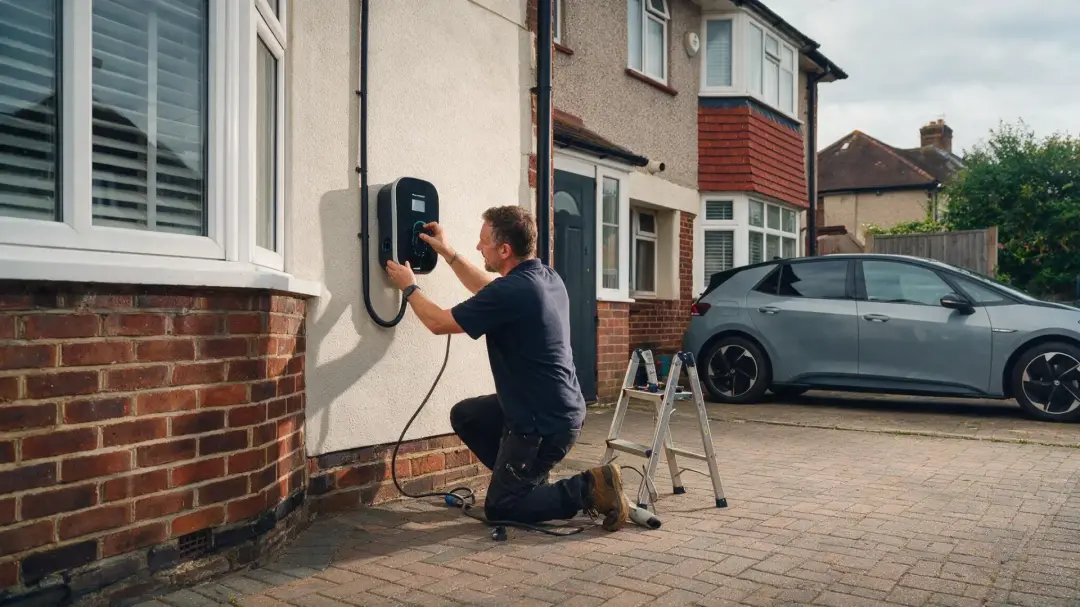
How to Choose an EV Charger for Your Home
Choosing the right EV charger can make charging at home quicker, easier and less expensive. The best option depends on your vehicle, your home's electricity supply, where you park and how you normally use your car.
For many households, a charger providing around 7 kilowatts is a practical choice. However, charging speed is only one factor to consider. Cable type, smart charging features, installation requirements, energy tariffs and possible grants can all affect which charger is right for your home.
What Charging Speed Do You Need?
The power of a home charger affects how quickly it can add energy to your vehicle. A charger providing around 7 kilowatts is common for home charging and will usually be able to replace a typical day's driving while the vehicle is parked overnight. More powerful chargers are available, but they are not suitable or necessary for every property.
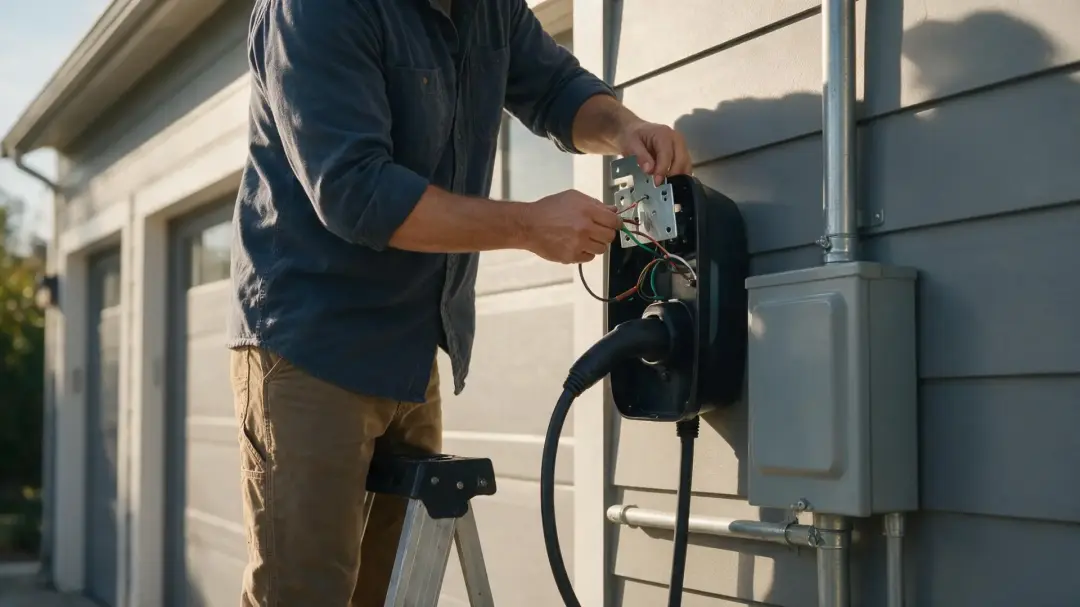
Your vehicle also has its own charging limit. Installing a charger that can provide more power than your vehicle can accept will not make the vehicle charge any faster.
Some chargers can provide 11 or 22 kilowatts, but these normally need a three-phase electricity supply. Many homes have a single-phase supply, which makes a charger of around 7 kilowatts a more suitable choice.
Think about how far you normally drive each day. If your vehicle spends several hours parked at home each night, you may not need the fastest charger available.
Should You Choose a Charger With an Attached Cable?
A home EV charger can have its charging cable permanently attached or have a socket that allows you to connect a separate cable. Both can provide the same charging speed when their power rating is the same.
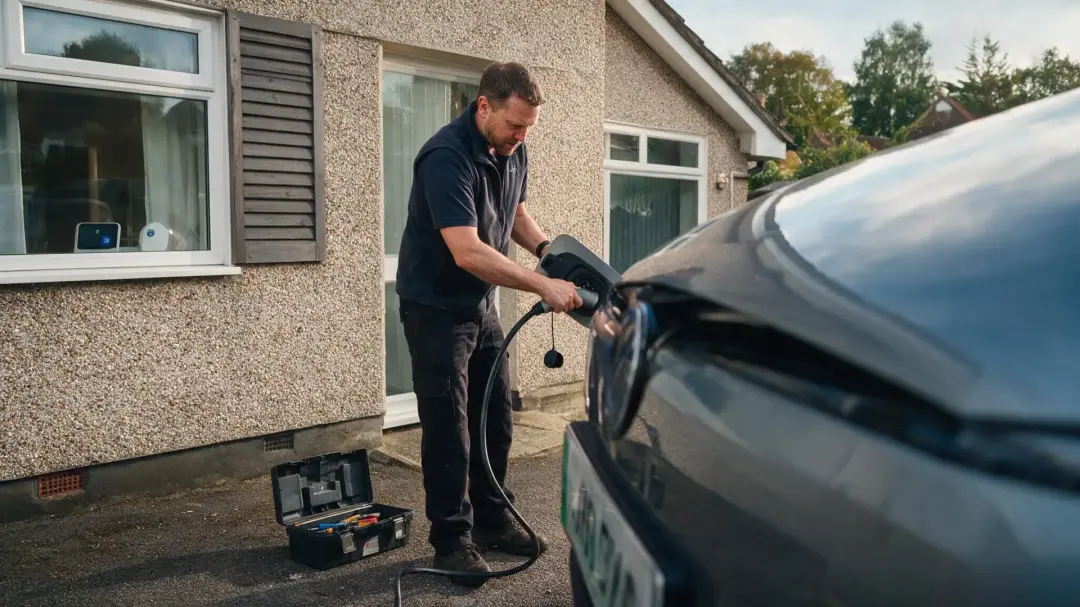
A charger with an attached cable can be convenient because the cable is always ready to use. You simply park, take the cable from the charger and connect it to your vehicle. The main drawback is that the cable remains outside when it is not being used, so you need somewhere suitable to store it neatly.
A charger without an attached cable can look tidier because you only connect a cable when charging. It may also give you more flexibility if you change vehicles in the future. However, you will need to take out and connect your charging cable each time.
Check That the Charger Is Compatible With Your EV
Before buying a charger, check the connection used by your vehicle and the maximum home charging speed it supports. Type 2 connections are widely used by modern electric cars in the United Kingdom, but it is still important to check your vehicle's specifications before choosing a charger.
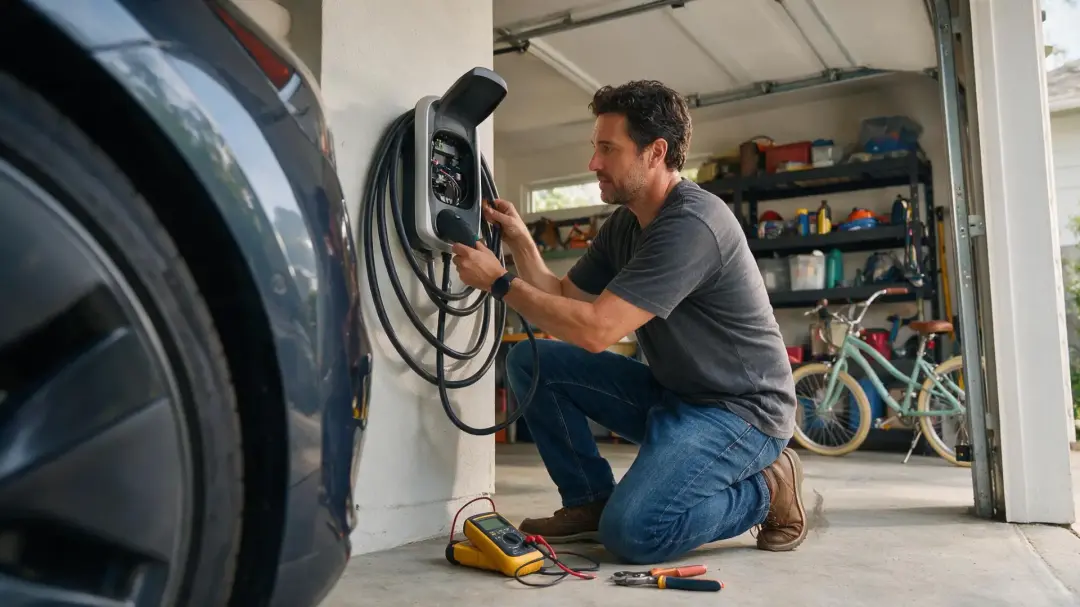
You should also think about vehicles you may own in the future. If you expect to change your EV within the next few years, choosing a charger that works with a wide range of vehicles could be useful.
Some households have more than one EV. If this applies to you, discuss your charging needs with your installer. They can check whether your home's electricity supply can safely support the amount of charging you need.
There is little benefit in paying for a much more powerful charger if your vehicle or electricity supply cannot make use of the extra power.
What Smart Charging Features Should You Look For?
Smart charging can help you control when your vehicle charges. In England, Scotland and Wales, private charge points sold for domestic use must meet government smart charging requirements. These rules include features that allow charging to be managed according to electricity demand.
Look for a charger that allows you to set a charging schedule. This can be useful if your electricity tariff offers cheaper rates at certain times of the day or night. Instead of starting as soon as you plug the vehicle in, the charger can wait until the time you have chosen.
Some chargers also provide information about how much electricity you have used. Other models can work with home solar panels, allowing you to make greater use of electricity generated at your property. Consider which features you will actually use rather than choosing a charger simply because it has the longest list of functions.
Can Your Home Support an EV Charger?
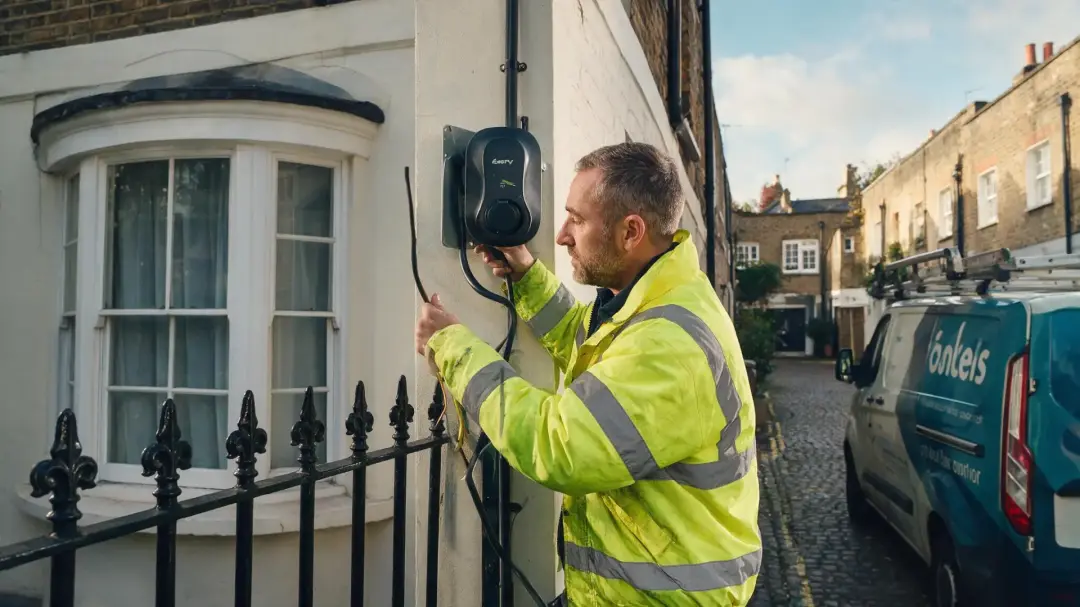
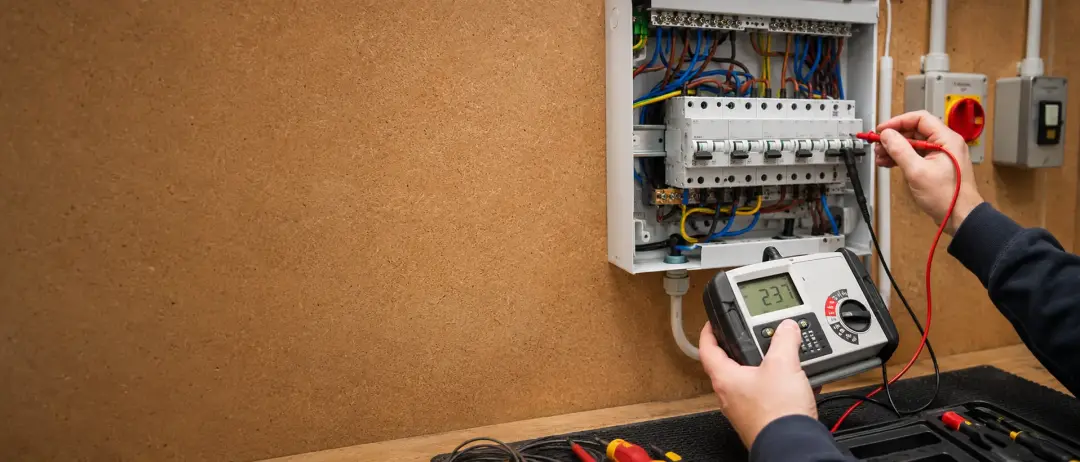
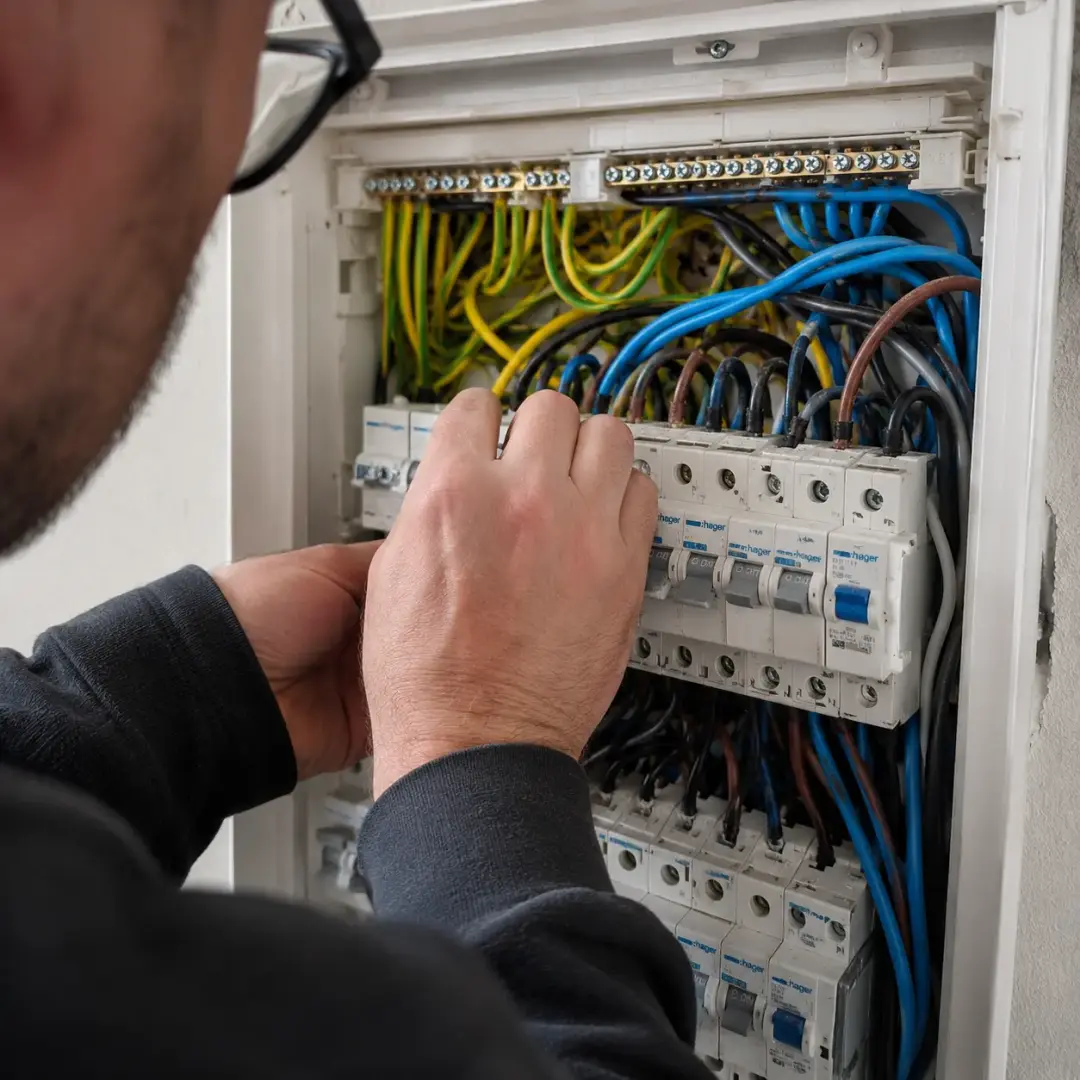
Before installation, an installer should assess your home's electrical system. They will need to consider your electricity supply, consumer unit, existing electrical demand and the route between the electricity supply and your chosen charging location.
The position of the charger can affect both convenience and installation cost. A charger close to your parking space and electricity supply may be easier to install. Longer cable routes, work across gardens or driveways and changes to existing electrical equipment can make an installation more involved.
Think about where your vehicle's charging connection is positioned too. The charger and cable should allow you to connect the vehicle comfortably without creating a trip hazard or leaving cables stretched across areas where people regularly walk.
How Important Is Load Management?
Charging an EV can place a significant demand on your home's electricity supply. Some chargers can automatically reduce the amount of power being used by the vehicle when other appliances in the home need more electricity. This can help prevent the home's electrical supply from becoming overloaded.
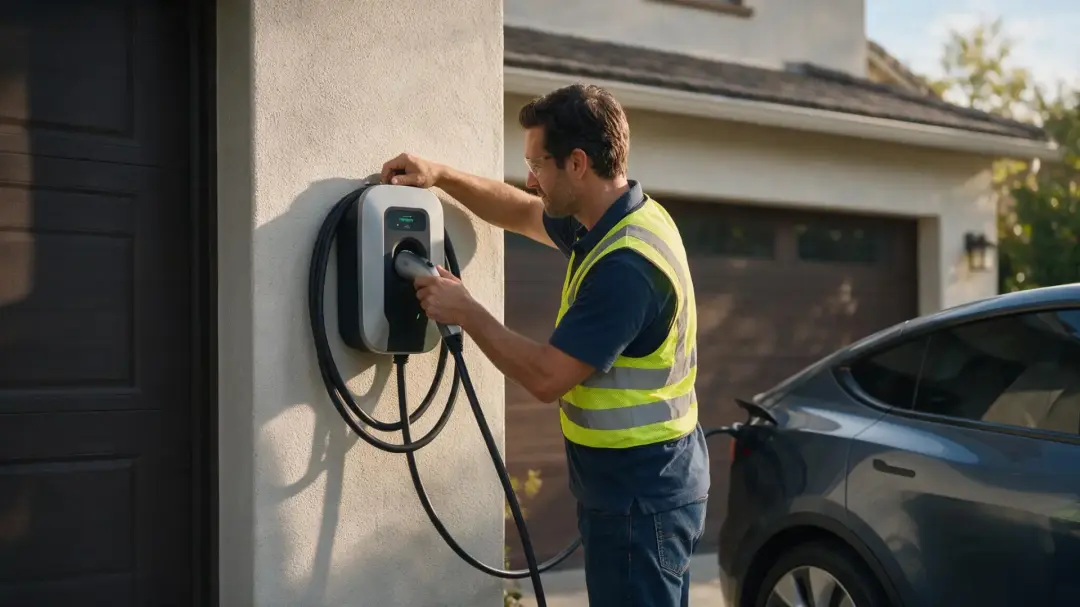
This feature can be particularly useful in homes where several high-powered appliances may be used at the same time as the EV charger.
Your installer can assess the electrical demand at your property and advise whether this type of control would be useful.
If you are planning other electrical changes, such as adding another EV charger in the future, it is worth discussing these plans before the first charger is installed.
Can You Get a Grant Towards a Home EV Charger?
Government support remains available for some home charger installations. From 1 April 2026, the maximum support available through eligible home charge point grant schemes increased to £500 per socket. The current schemes are due to remain available until 31 March 2027, although eligibility rules apply.
Eligible renters and people who own flats may be able to receive support towards the cost of buying and installing a charger if they have suitable private off-street parking. There is also support for eligible residential landlords and a separate scheme for certain households with on-street parking that are installing an approved way to take a charging cable safely across the pavement.
The latest Department for Transport figures show that home charging grant schemes had funded 412,682 installations across the United Kingdom by 1 July 2026. Of these, 10,833 were funded during the previous 12 months. The grant for renters and flat owners alone had funded 26,504 sockets by the same date.
Check whether you qualify before arranging installation. For some schemes, approval must be received before the charger is installed.
How Much Should You Spend on a Home EV Charger?
The price of a home charging installation depends on more than the charger itself. The distance from your electricity supply to the charging position, the condition of your existing electrical equipment and any extra work required can all affect the final price.
When comparing quotes, check exactly what is included. A lower initial price may not include additional cable runs, electrical upgrades or other work needed at your property.
It can also be worth comparing warranties and aftercare. A home charger may be used several times each week for many years, so support after installation can be just as important as the purchase price.
Should You Choose a Charger That Works With Solar Panels?
If your home already has solar panels, or you are considering installing them, you may want a charger that can make use of electricity generated at home. Some smart chargers can adjust vehicle charging according to the amount of spare solar electricity available.
This does not mean a solar-compatible charger is necessary for every home. If you do not have solar panels and have no plans to install them, other features may be more important. However, choosing a charger with this option could give you more flexibility if you plan to add solar panels later.
How Does Home Charging Compare With Public Charging?
Having a home charger means you can add energy while your vehicle is parked rather than making a separate trip to a public charger. Public charging is still useful for longer journeys and for drivers who cannot charge at home.
The public charging network is continuing to expand. Department for Transport figures show that there were 121,171 public EV chargers across the United Kingdom on 1 July 2026. Of these, 28,887 provided 50 kilowatts or more.
For drivers with suitable parking, a home charger can reduce how often public charging is needed and allow everyday charging to become part of the normal routine.
What Should You Check Before Choosing a Home EV Charger?
Start by checking your vehicle's home charging limit and the electricity supply available at your property. Decide whether you would prefer an attached cable or a separate charging cable, and consider whether features such as scheduled charging, solar charging and automatic power management would be useful.
Which EV Charger Is Right for Your Home?
There is no single home charger that is right for every EV owner. For many households, a smart charger providing around 7 kilowatts offers enough power for convenient overnight charging. Other homes may have different requirements because of their vehicle, electricity supply, parking arrangements or future plans.
Choosing a charger based on how you actually drive and charge can help you avoid paying for features or power that you do not need. A suitable installer can assess your property, explain the available options and make sure the charger is installed safely.
Whether you already have an EV or are preparing for your first electric vehicle, the right home charger can make everyday charging simpler and more convenient. Explore our service to find out more about your home EV charging options.
Contact us today for EV Charger Installations in Sheffield, Derby and Nottinghamshire