Do rental properties need electrical safety checks? A clear guide to EICR requirements for rental properties in England, report deadlines and remedial work.
Do I Need Electrical Safety Checks for Rental Properties?
Yes, if you let a home in England that is covered by the electrical safety regulations, you must have its fixed electrical installation inspected and tested by a qualified person at least every 5 years. The report is usually an Electrical Installation Condition Report, or EICR. The duty now covers both private and social landlords, subject to exemptions and transition rules.
A working socket is not evidence that the installation has been checked. The inspection looks at the fixed wiring and protective devices, records any unsafe conditions and sets a date for the next inspection. Landlords also have duties to give the report to tenants and to act on findings. Those steps matter as much as booking the inspection itself.
Which Rental Homes Are Covered?
The current government guidance for England applies where a tenant pays rent and has a right to occupy the premises as their only or main residence, including certain licences. It lists exclusions, such as accommodation shared with the landlord or the landlord's family, long leases of 7 years or more, student halls, hostels and refuges, care homes and some healthcare accommodation.
If the arrangement is unusual, check the official list rather than assuming a label such as 'lodger' or 'short let' decides the matter on its own. Separate duties may also apply to houses in multiple occupation or to common parts of a building. A landlord or managing agent should establish which rules govern the actual property and tenancy.
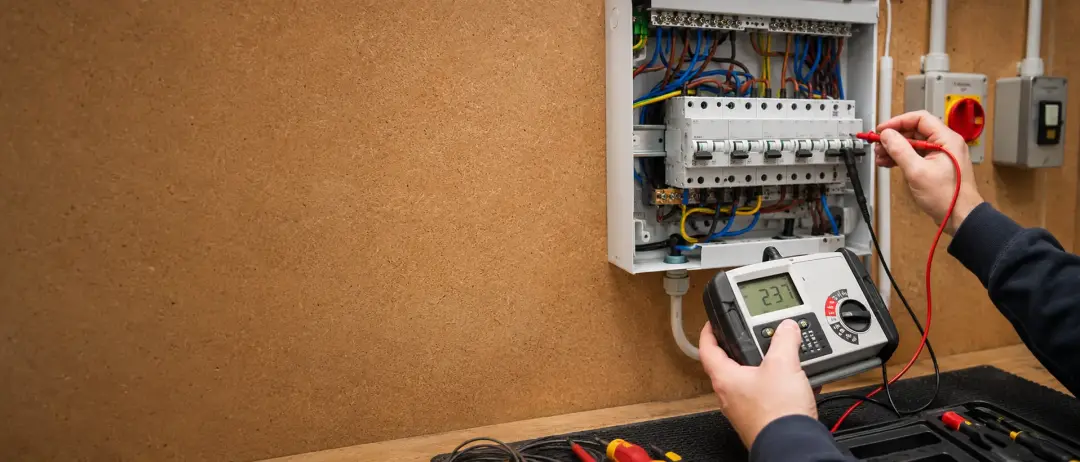
Inspection should be carried out by a person competent to assess and test the installation, not by a tenant following a visual checklist.
The report should state what was inspected, any limitations, the result and the next recommended date. Ask for clarification when any of those points is unclear.
How Often Must the Fixed Installation Be Checked?
Arrange inspection and testing at intervals of no more than 5 years, or sooner if the previous report specifies a shorter period. The qualified inspector's recommended next date is the one to put in the property calendar. The duty applies to fixed electrical parts such as wiring, socket outlets, light fittings and the consumer unit, rather than every appliance plugged into a socket.
A change of tenant does not automatically require another EICR when a satisfactory report less than 5 years old remains current and the installation is safe. The government recommends a visual check before a new tenancy. If damage or deterioration is suspected, book further inspection rather than relying blindly on the remaining time.
What Did the Latest Landlord Survey Find?
In the 2024 English Private Landlord Survey, 94% of landlords reported ensuring that a qualified tester checked the electrical installation for their most recent letting. That is a self-reported survey measure, not an audit proving every property complied. It also should not be confused with appliance testing, which 61% reported arranging with a qualified tester.
The difference illustrates why records need to say exactly what was checked. An EICR for wiring is not the same thing as testing a supplied fridge or cooker. For social landlords, the 2025 extension includes a separate requirement to check electrical equipment they provide at least every 5 years. Private landlords should still maintain the safety of equipment they supply, even though the fixed-installation EICR is a distinct duty.
What Must the Landlord Give to Tenants?
After the inspection, give an existing tenant a copy of the report within 28 days. Give a new tenant the latest report before they move in. A prospective tenant who asks for a copy must receive one within 28 days, and a local council requesting it must receive one within 7 days. Retain the report for the next inspection and give the next inspector a copy.
A useful property file holds the full EICR, not just the front page, together with dates of delivery and any certificates or written confirmation for work that followed. That record helps a new tenant understand the condition reported and helps the landlord show how an observation was resolved.
What If the EICR Is Unsatisfactory?
The report may use C1 for danger present, C2 for a potentially dangerous condition and FI where further investigation is required without delay. Those findings call for action. C3 recommends an improvement but does not by itself make the report unsatisfactory. Ask the inspector to explain any code and the work needed, particularly if a circuit cannot be used safely.
Remedial work or further investigation must normally be completed within 28 days of the inspection, or sooner if the report specifies a shorter period. Afterwards, the landlord must give the tenant and local council the report and written confirmation from the qualified person within 28 days of the work being completed. If there is an immediate danger, act on it immediately rather than treating the 28 days as permission to delay.
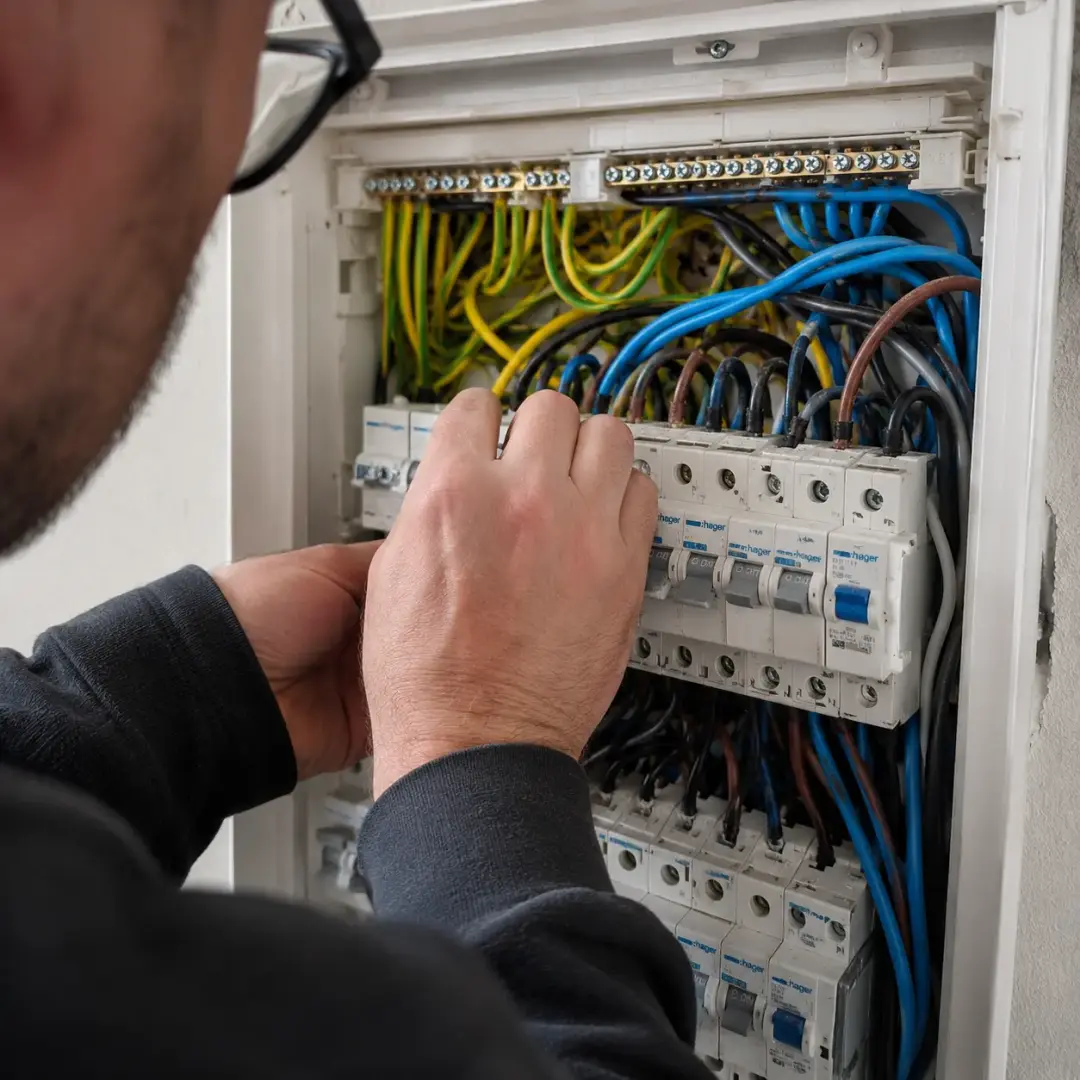
A written report is a starting point for action, not the end of the process. Keep evidence of completed repairs next to the original findings.
If the installation's condition changes between scheduled checks, obtain advice sooner. The five-year interval is a maximum routine gap, not an assurance against new faults.
Do Social Landlords Have the Same Deadlines?
The 2025 amendment extended the fixed-installation inspection duty to social housing. It applies to social tenancies granted after 1 December 2025. For tenancies granted before that date, transitional rules require the first installation inspection and checks of landlord-provided electrical equipment before 1 November 2026. Subsequent checks must be at least every 5 years, with an earlier date where required.
Social landlords should therefore check the tenancy date, existing records and the transitional timetable. They also need separate records for checks of electrical equipment they provide. The extension did not turn a fixed-wiring report into a certificate for every appliance in a home; the two inspections answer different questions.
What Happens If a Landlord Does Not Comply?
A local council can require remedial action and, for specified breaches, impose a financial penalty. Current government guidance states that the maximum penalty is £40,000. The immediate reason to act, however, is the risk that an avoidable electrical defect may affect someone living in the property.
If access, specialist work or a third party delays repairs, keep clear records of appointments, communication and reasonable steps taken. The official guidance recognises legitimate practical constraints, but that is not a reason to let an inspection lapse without planning. Seek competent advice early when a report identifies work that cannot be completed promptly.
How Can You Prepare for a Rental Electrical Check?
Find the previous EICR and any repair certificates before booking. Tell the electrician about tripping circuits, damaged fittings, recent alterations and areas that may be difficult to access. Arrange access to the consumer unit and relevant rooms, and allow enough time before a new tenancy for investigation and remedial work if needed.
For rental homes in Nottingham and nearby service areas, Eco Energy Solutions Ltd provides electrical inspection and reporting. Ask for the full report, a plain explanation of any observations and a clear record of follow-up work. A complete file makes the next tenancy and the next inspection easier to manage.
Need a report for a rental property in Nottingham? Explore our fixed-wiring inspection service and allow time to act on the results before your next tenancy.