
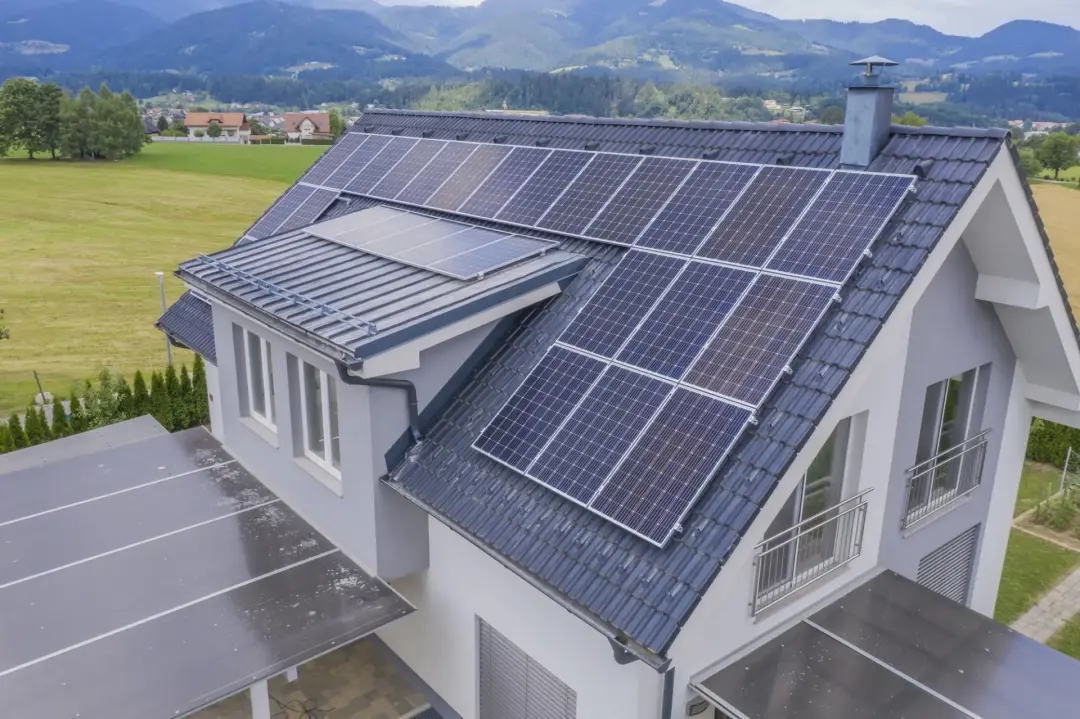
Can solar panels power your whole home? Discover how a well-designed system can meet your energy needs, saving you money while harnessing sustainable power.
Can Solar Panels Meet All Your Energy Needs?
Solar panels can power a whole home in many cases, but it depends on how much energy your home uses, how much sunlight your roof receives, and whether you have battery storage or still use the grid. A well-designed solar panel system can cover a large share of your daily electricity needs. In some homes, it may produce enough electricity over the year to match, or even exceed, the amount used by the household.
However, this does not always mean the home is running only on solar power every minute of the day. Solar panels produce electricity when daylight reaches them. They usually produce the most power around the middle of the day, especially when the sky is clear. Your home may need more electricity in the morning, evening, or at night, when solar panels are producing less or nothing at all. This is why battery storage and grid connection matter.
If your system is large enough and you use energy carefully, solar panels can meet much of your demand. They can run lights, fridges, washing machines, televisions, computers, cooking appliances, and other everyday items. They can also help power heating systems, depending on the type of heating you use and how much electricity it needs.
A full home solar setup is easier to achieve in a home that uses energy efficiently. Good insulation, modern appliances, careful energy habits, and smart timing can all make solar power go further. A smaller, efficient home may be much easier to power than a large home with high heating demand, several appliances, and heavy evening electricity use.
What Affects How Much Power Solar Panels Produce?
Several things affect how much power solar panels can produce. The most obvious one is sunlight. Solar panels need daylight to make electricity, and they work best in bright, direct sun. They can still produce electricity on cloudy days, but the amount will usually be lower. This means the time of year, weather, and local climate all play an important part.
The direction your roof faces is also important. In the United Kingdom, a south-facing roof usually receives the most sunlight across the day. East-facing roofs can produce more power in the morning, while west-facing roofs can produce more in the afternoon and early evening. North-facing roofs usually receive less direct sunlight, which can reduce the amount of electricity produced.
The angle of the roof matters too. Solar panels need to be placed where they can receive as much daylight as possible. A roof with a suitable slope can help panels work well throughout the year. If the roof is too flat or too steep, the panels may still work, but they might not produce as much as they could in a better position.
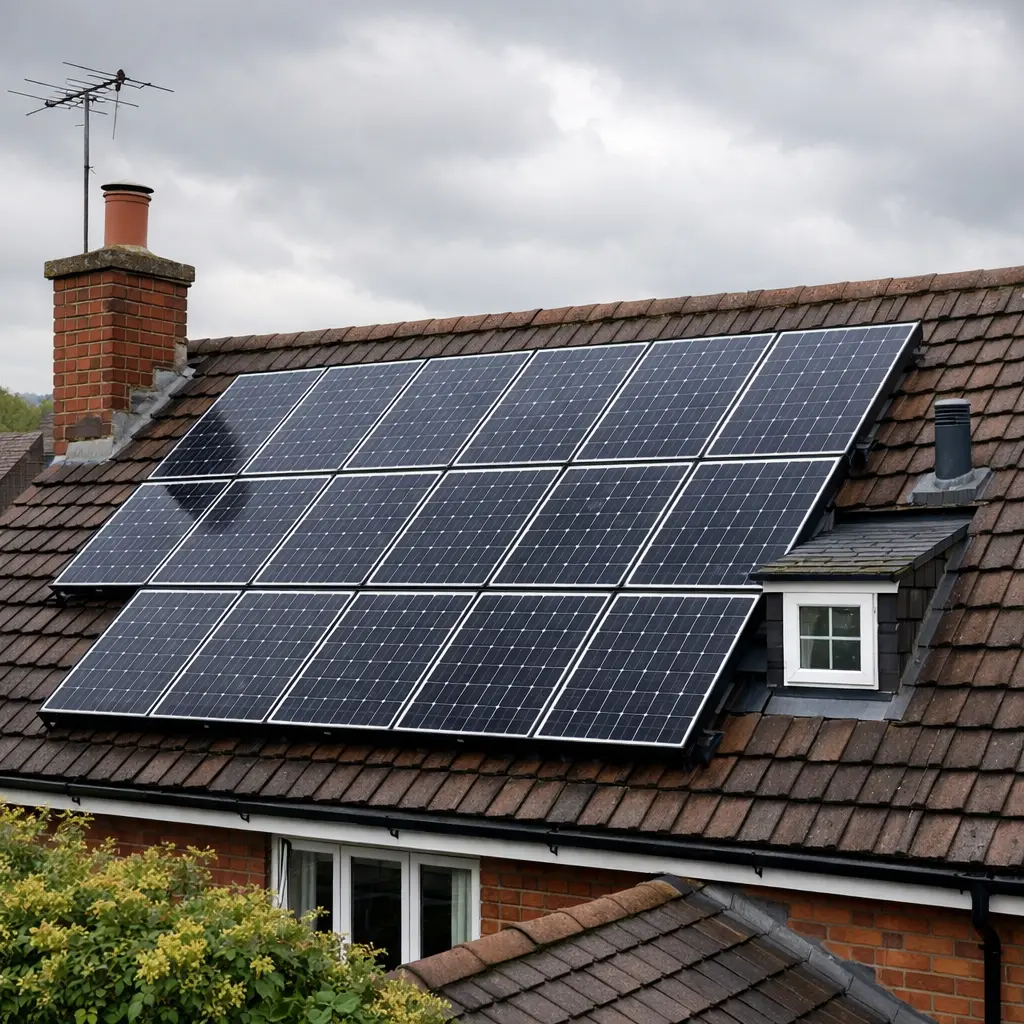
Shade can make a large difference. Trees, chimneys, nearby buildings, aerials, and roof features can block sunlight from reaching the panels. Even a small amount of shade can reduce output, especially if it falls across panels during the brightest parts of the day.
The quality, age, and size of the solar panel system also matter. Larger systems usually produce more electricity, but only if there is enough suitable roof space. Panels slowly lose a little performance over time, although good systems can continue working for many years. A careful design will look at all these factors before deciding how much power your home can expect.
The Role of Roof Size and Sunlight
Your roof is one of the most important parts of any home solar plan. The size of the roof affects how many solar panels can be fitted. More panels can usually produce more electricity, but the roof must have enough clear, safe, and suitable space. Areas taken up by chimneys, skylights, vents, roof windows, and awkward shapes may reduce the space available.
A large roof does not always mean a large solar system is possible. The best space is the part of the roof that receives good sunlight for much of the day. If a large section is shaded by trees or nearby buildings, it may not be useful for solar panels. A smaller, clearer roof can sometimes perform better than a larger roof with heavy shade.
Sunlight changes through the year. In summer, days are longer and the sun is higher in the sky, so solar panels usually produce more electricity. In winter, days are shorter and the sun sits lower, so output is often lower. This seasonal change is important when thinking about whether solar panels can power your whole home.
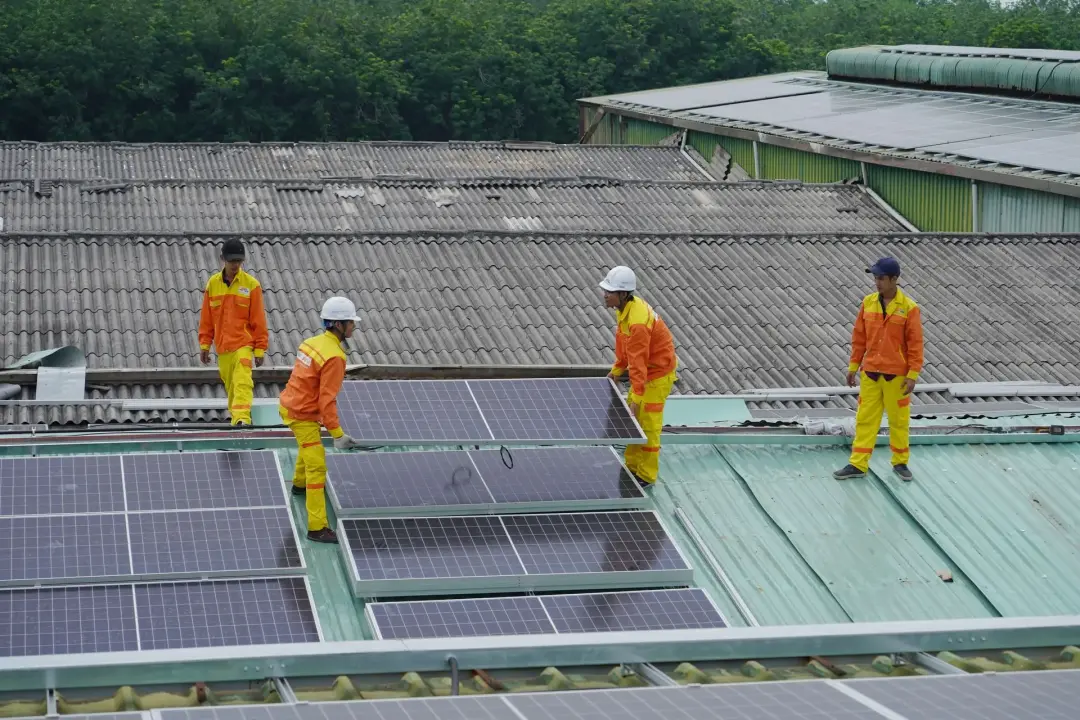
Roof direction also plays a key role. A south-facing roof usually gives the strongest overall production in the United Kingdom. However, east-facing and west-facing roofs can still be useful. They may spread production across the day, which can help if your home uses energy in the morning or later afternoon.
The strength of a roof must also be considered. Solar panels add weight, so the roof needs to be in good condition. If repairs are needed, it is often better to complete them before fitting panels. A proper survey can check roof space, direction, shade, structure, and likely output. This helps you understand whether your roof can support a system large enough to meet most or all of your home’s needs.
Why Your Energy Usage Matters
Your energy usage is just as important as the number of solar panels on your roof. A solar panel system is only useful if it matches the way your household uses electricity. Two homes of the same size can use very different amounts of energy. One may have efficient appliances, careful habits, and low heating demand. Another may have electric heating, several people working from home, large appliances, and high evening use.
To understand whether solar panels can power your whole home, you need to look at your normal daily and yearly electricity use. This includes lights, cooking, laundry, refrigeration, entertainment, charging devices, water heating, and any electric heating. If you own an electric vehicle, that can add a large amount of extra demand.
The time of day when you use energy is also very important. Solar panels produce most of their electricity during daylight hours. If your home uses a lot of electricity during the day, you may be able to use more of the power directly from your panels. If most of your electricity is used throughout the evening or at night, you may need a battery or grid supply to cover those times.
Reducing waste can make solar power much more effective. Simple steps such as using efficient appliances, washing clothes at lower temperatures, improving insulation, and turning off unused devices can lower demand. When your home needs less electricity, your solar panels can cover a larger share of it.
Your habits can also help. Running washing machines, dishwashers, and other appliances during daylight hours can increase the amount of solar power used in the home. This means your energy use is not just a number on a bill. It shapes how well solar panels can meet your needs.
Using Solar Panels During the Day
Solar panels are most useful when your home can use their electricity during the day. This is when the panels are producing power, especially during bright hours. If someone is at home during the day, solar electricity can directly run appliances, lights, computers, chargers, and other devices. This can reduce the amount of electricity taken from the grid.
Using solar power as it is produced is typically the most efficient approach. For example, you may choose to run the washing machine, dishwasher, or tumble dryer during daylight hours. You may charge laptops, phones, or an electric vehicle while the panels are producing well. These habits can help your home make better use of the system.
Some homes use smart controls to improve this further. These controls can switch on certain appliances when solar production is strong. They can also help direct spare electricity to a battery or hot water system. This means less power is wasted and more of the solar energy stays useful within the home.
Daytime solar use is especially helpful for people who work from home. Computers, screens, lighting, heating controls, and kitchen appliances may all use power during the hours when panels are active. Families with children at home during the day may also benefit.
However, not every home uses much electricity during daylight. If the house is empty most of the day, the panels may produce more electricity than the home can use at that time. Without a battery, the extra electricity may be sent to the grid. This can still be useful, but it may not help with evening demand unless there is a system in place to store or credit that energy.
What Happens at Night or on Cloudy Days?
Solar panels do not produce electricity at night because there is no sunlight. This means your home needs another source of power after dark. For most homes, that source is either a battery, the grid, or both. Without battery storage, your home will usually draw electricity from the grid at night, even if the panels produced plenty of power during the day.
Cloudy days are different from night-time. Solar panels can still produce electricity when it is cloudy, because daylight still reaches them. However, production is usually lower than on a clear, bright day. Thick cloud, rain, mist, and shorter winter days can all reduce output. During these times, your home may need extra power from a battery or the grid.
This is one reason why people should not judge solar panels only by their best summer performance. A system may produce a lot of electricity in June or July, but much less in December or January. If your home uses more power in winter, especially for heating, this seasonal change matters.
Battery storage can help smooth out daily changes. A battery can store spare electricity made during the day and release it later. This can cover evening use, night-time lights, and some appliances. However, if there is not enough sunlight for several days, the battery may not fully recharge.
The grid provides extra security. Staying connected means your home can still get electricity whenever solar panels and batteries are not enough. This is useful during long cloudy periods, winter evenings, or times when energy use is unusually high.
So, solar panels can greatly reduce grid use, but night-time and cloudy weather need careful planning. A strong solar setup looks beyond sunny afternoons and considers real daily life across the whole year.
How Battery Storage Can Help
Battery storage can make solar panels much more useful for powering a whole home. Without a battery, solar electricity must usually be used at the moment it is produced. If your panels make more power than your home needs during the day, the extra electricity may be sent to the grid. A battery allows you to store some of that extra power and use it later.
This is especially helpful in the evening. Many homes use a lot of electricity after work or school, when people cook, wash clothes, watch television, use lighting, and charge devices. Solar panels may be producing little or no electricity at that time. A battery can bridge the gap by supplying stored daytime solar power.
Battery storage can also help at night. It may keep essential items running, such as lights, a fridge, a freezer, internet equipment, or small appliances. The amount it can cover depends on the battery size and how much power the home uses. A small battery may only cover part of the evening. A larger battery may cover much more, but it will also cost more and need enough solar power to charge it.
A battery can also help during cloudy periods, although it is not unlimited. If several dull days reduce solar production, the battery may run low. In that case, the home may still need grid electricity.
Some battery systems can be set to charge from the grid when electricity is cheaper, then supply the home when electricity is more expensive. This can help reduce costs, but it depends on the energy tariff and the way the system is set up.
For homes that want to rely more heavily on solar power, battery storage is typically a key part of the plan. It does not remove every need for the grid, but it can greatly increase the amount of solar electricity used at home.
Staying Connected to the Grid
Many homes with solar panels remain connected to the grid, and this is often the most practical choice. The grid acts as a backup when solar panels are not producing enough electricity. This can happen at night, during cloudy weather, in winter, or when the home is using more power than usual.
Staying connected does not mean solar panels are failing to do their job. It simply means the home has a reliable extra supply. Solar panels can still reduce the amount of electricity bought from the grid, sometimes by a large amount. The grid is there to cover the gaps.
There may also be times when your solar panels produce more electricity than your home can use. If you do not have a battery, or if the battery is already full, this extra electricity may be exported to the grid. Depending on your energy arrangement, you may receive payment or credit for that exported power.
Grid connection can be useful for safety and comfort. For example, if you have guests staying, use several appliances at once, or need more heating, your electricity demand may rise. The grid can provide the extra power without you needing to change your plans too much.
It also helps during seasonal changes. A solar panel system may cover most of your needs in spring and summer, but less in winter. Rather than building a very large system for the darkest months, many households use solar power for a large share of the year and rely on the grid when needed.
For most people, the aim is not always to cut the grid off completely. A more realistic goal is to reduce your grid use, lower energy bills, and use more clean electricity at home. Keeping the grid connection can make solar power easier, safer, and more flexible.
Can Solar Panels Run Heating and Appliances?
Solar panels can help run many household appliances. They can power lights, televisions, fridges, freezers, washing machines, dishwashers, computers, kettles, and ovens. The amount they can cover depends on how much electricity the appliances use and when they are used.
Some appliances need a lot of power for a short time. Kettles, ovens, tumble dryers, and electric showers can place a heavy demand on the system. Solar panels may help cover this demand during sunny periods, but the home may still need extra power from the battery or grid. Using several high-power appliances at once can quickly exceed what the panels are producing at that moment.
Heating is more complex. If your home uses gas heating, solar panels will not directly power the boiler in the same way they power electrical items. They may still run the controls, pumps, or related parts, but the main heat comes from gas. If your home uses electric heating, solar panels can help, but heating usually needs a lot of energy, especially in winter.
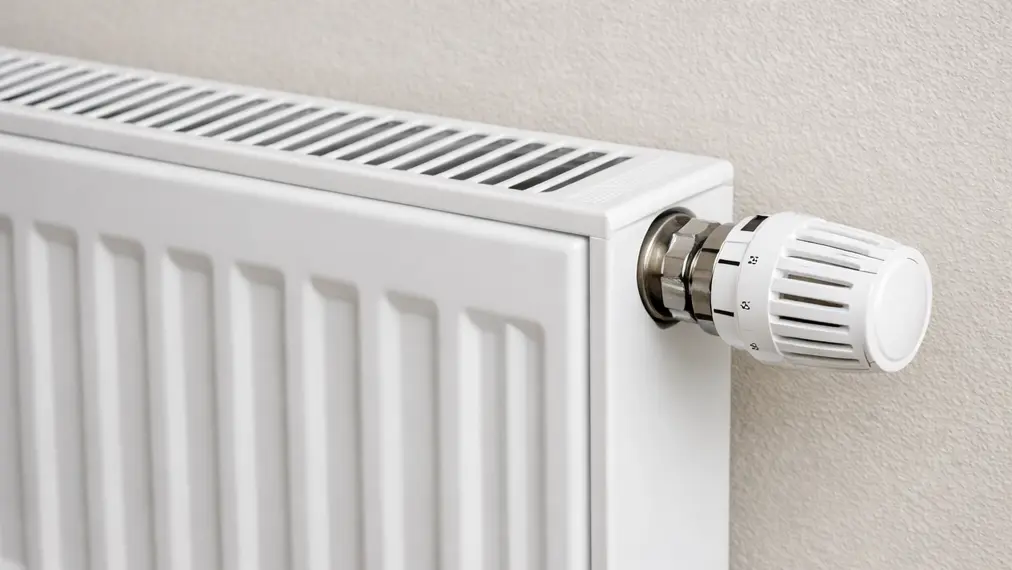
Heat pumps can work well with solar panels, but the system must be planned carefully. A heat pump uses electricity to move heat into the home. Solar panels can help supply that electricity, especially during daylight hours. However, heating demand is often highest in the colder months, when solar production is lower. Good insulation is therefore very important.
Water heating may also be supported by solar electricity. Some homes use spare solar power to heat water in a tank. This can reduce the need for other energy sources, especially during sunny months.
Solar panels can run appliances and support heating, but the full picture depends on the type of heating, the size of the solar system, the season, and the home’s energy efficiency.
How Many Solar Panels Might You Need?
The number of solar panels you might need depends on your energy use, roof space, sunlight, and whether you want to cover part or nearly all of your electricity needs. There is no single number that will work consistently for every home. A small, efficient household may need far fewer panels than a large home with electric heating, several appliances, and an electric vehicle.
A good starting point is your yearly electricity use. This can usually be found on your energy bill or online account. Once you know how much electricity your home uses across the year, a solar installer can estimate how many panels would be needed to produce a similar amount. However, matching yearly production does not mean every moment of demand will be covered. Timing still matters.
For example, your panels may produce a lot of electricity during sunny afternoons, but your home may use most electricity in the evening. In that case, you may need a battery to use more of your own solar power. Without a battery, some daytime power may be sent to the grid while you still buy power back later.
Roof space may limit how many panels can be fitted. A home may need a certain number of panels on paper, but the roof might only have space for fewer. Shade, roof direction, skylights, and chimneys can also reduce the practical panel count.
Panel performance also matters. Some panels produce more power than others, so a smaller number of higher-output panels may sometimes do the same job as a larger number of lower-output panels. The layout and equipment must be chosen carefully.
The best answer comes from a proper home survey. This should look at your bills, roof, sunlight, shade, future plans, and whether you want battery storage. From there, you can decide whether your goal is full coverage, strong savings, or a balanced system that fits your budget.
Is Full Home Solar Power Right for You?
Full home solar power can be a good goal, but it is not always the best or most realistic aim for every household. For many people, the most practical result is a system that covers a large share of their electricity use while keeping the grid as backup. This can still bring strong benefits, including lower energy bills, less reliance on grid electricity, and a smaller environmental impact.
A full solar setup may suit you if your home has a suitable roof, good sunlight, and enough space for the number of panels you need. It may also suit you if your electricity use is fairly high during the day, or if you are willing to change when you use certain appliances. Battery storage can make the system more useful by covering evenings and some night-time demand.
Your home’s efficiency is also important. If your property loses heat quickly or uses old appliances, solar panels may have to work harder to meet demand. Improving insulation, choosing efficient appliances, and managing energy use can make a big difference. Sometimes, reducing demand is just as important as adding more panels.
Budget is another key point to consider when trying to figure out if solar panels are going to be worth it. A larger system with battery storage will usually cost more than a smaller grid-connected system. The right choice depends on your aims, your available roof space, and how long you plan to stay in the property.
You should also think about your future needs. If you plan to buy an electric vehicle, change to electric heating, or add more appliances, your electricity use may rise. It may be wise to plan a system that can support those changes.
Solar panels can power a whole home in the right conditions, but the best system is one that fits your property and your daily life. For many households, the strongest choice is not complete independence, but a well-sized solar system that works smoothly with storage, smart energy use, and the grid.
If you're searching for newer, cleaner, and greener ways to approach heating your home, why not contact us for solar panel installations? Our team have everything we need and all the skills to carry out thorough solar panel installations into your homes and business properties.
Related Articles
The Benefits of Installing Solar Panels